
Bio-Oxidative Therapies for Persistent Spike Protein
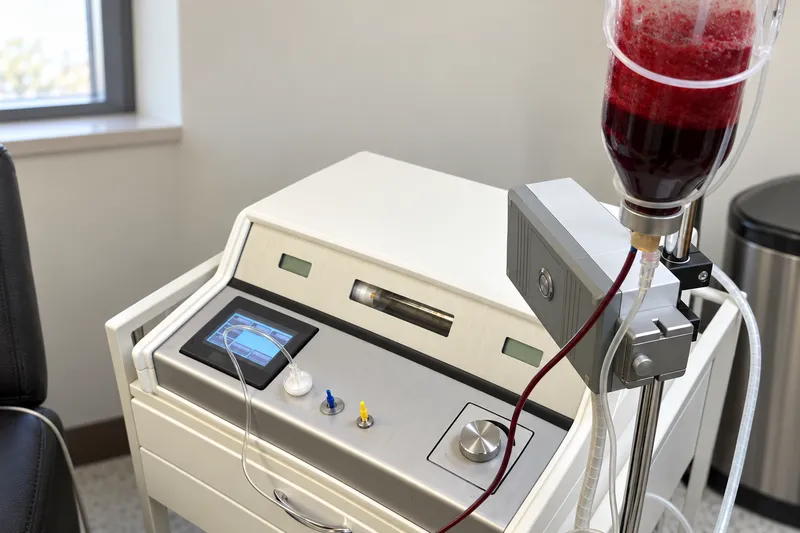
In short: Persistent spike protein (PSP) is the idea that spike protein from a COVID infection, or in some people from mRNA vaccination, can linger in the body and drive long-term symptoms. Bio-oxidative therapies (ozone, vitamin C, hydrogen peroxide, ultraviolet blood irradiation and hyperbaric oxygen) raise oxidative stress inside pathogens and infected cells. Of these, ozone autohemotherapy has the most direct data in long COVID: in one uncontrolled study of 100 patients, fatigue scores fell by 67% on average. Controlled trials are still needed.
What follows is my clinical experience and my reading of the research. Please work with your own physician on any treatment decisions.
Persistent Spike Protein Pathology
As acute COVID cases have declined, more attention has turned to people whose symptoms never go away, and to the spike protein as a possible cause. I call this the Persistent Spike Protein (PSP) syndrome. The spike protein is that part of the COVID pathogen that attaches to ACE2 receptors throughout the body and permits the entry of the entire virus into the newly infected cell. ACE2 receptors are found in many tissues, so once enough spike protein is present, few organs are out of its reach.
Persistent spike protein has been reported after COVID infections that never fully resolve (chronic or long-haul COVID) and, in some people, after mRNA vaccination. In my clinical experience, many of the PSP patients I now see became ill after one or more mRNA shots, often after a booster. I believe the risk rises with the total amount of spike protein a person is exposed to, though that has not yet been measured in studies.
The goal of any therapy designed to eliminate a chronic spike protein presence in the body needs to address its presence in the blood, its presence on the many ACE2 binding sites throughout the body, its presence inside the cells, and the mechanisms that allow it to replicate itself and keep it from being eliminated completely in the body. Free, full-length spike protein has been found circulating in the blood of adolescents and young adults who developed myocarditis after mRNA vaccination, while none was found in vaccinated people without myocarditis.1
However, clearing it from the blood may not be enough. It is also important to destroy the cells where the intact virus is replicating and/or where the spike protein is being replicated. It remains unclear at the time of this writing whether the vaccine-supplied mRNA that can program the production of more spike protein can be effectively targeted as well. If so, the organs and tissues that can readily regenerate could eliminate all spike protein while organs with little to no significant regenerative capacity could end up being reservoirs for this toxic protein and the mRNA that can generate it. Autopsy studies of people who died with COVID-19 have found the virus in many organs, including the lungs, heart, kidneys and brain.2,3
By itself, the spike protein is also toxic. As all toxins ultimately inflict damage by oxidizing biomolecules needed for normal metabolic function, any effective PSP protocol needs to include significant antioxidative capacity in order to repair damaged (oxidized) biomolecules. In laboratory and animal studies, spike protein on its own has been shown to cause inflammation (acute oxidative stress) and blood vessel damage, without any viral infection.4
Bio-Oxidative Therapies
While any therapy that can eradicate an infectious agent must involve its destruction via enhanced oxidation, the most prominent of these therapies involve the appropriate application of:
- Vitamin C (multiple modalities)
- Hydrogen peroxide (multiple modalities)
- Ozone (multiple modalities)
- Ultraviolet blood irradiation
- Hyperbaric oxygen
While still not widely appreciated, these bio-oxidative therapies have been used against acute infectious diseases for many decades. Clinicians who use them report especially good results in acute viral infections, whether the therapies are given alone or combined. All these therapies share the ability to rapidly increase the oxidative stress inside the pathogens themselves and/or the cells that have become infected with the pathogens. Nothing destroys a pathogen or pathogen-infected cell that cannot elevate such oxidative stress to lethal levels. And even though different treatments might have unshared mechanisms in fueling this increased oxidative stress, it is this singular effect that ultimately resolves the infection.
Vitamin C and Hydrogen Peroxide
Vitamin C (VC), interacting directly with extracellular and intracellular hydrogen peroxide (HP) already in the body, works to eradicate pathogens, including the COVID pathogen, by a mechanism known as the Fenton reaction. This reaction produces hydroxyl radical formation in a pathogen or a pathogen-infected cell, which works to oxidize whatever it is next to when it is formed. This ultimately results in the destruction of the pathogen, inside or outside of the cell, when enough VC and HP are present.
Enough HP by itself will also quickly oxidize pathogens and their infected host cells. This can occur with HP nebulization, the direct ingestion of appropriately-dosed HP, and the appropriate infusion of hydrogen peroxide intravenously. Intravenous HP was used during the 1918 influenza pandemic, when British doctors reported that it helped a number of critically ill patients with influenza pneumonia recover.5 Clinicians who use HP nebulization find it especially useful for clearing out areas of chronic pathogen colonization in the nose and throat areas. Even though such areas are usually asymptomatic, they work to keep these “virus-manufacturing” areas of the body much more susceptible to the contraction of new infectious agents, viral or otherwise.
An agent naturally present in the body in large amounts, HP plays an important role in the pathogen-killing effect of all the bio-oxidative therapies. While the biochemical details of these bio-oxidative therapies remain to be clearly defined, the anti-pathogen effect of HP appears to be an essential part of the final common pro-oxidant pathway in these therapies that is needed to kill the pathogen and clinically resolve the infection.
The nature of the immune system gives further support to the role of both VC and HP in the control and resolution of infections. The monocytes and phagocytes in the immune response are the first cells to appear at new sites of inflammation or infection. Of note, these two types of immune cells have exceptionally high levels of both VC and HP inside them. This results in the immediate delivery of the most important elements of the pathogen-killing Fenton reaction to the new site of infection.6-10
Ozone
No agent exceeds the pro-oxidant, pathogen-killing ability of properly-administered ozone. Interestingly, the basic chemical structure of ozone is very close to HP. HP (H2O2) can be regarded as a dioxide of hydrogen, and ozone (O3) can be regarded as a dioxide of oxygen. This dioxide-like structure (two bound oxygens in the molecule) is also present in other molecules with powerful pro-oxidant, pathogen-killing capacity. Chlorine dioxide, nitrogen dioxide, sulfur dioxide, carbon dioxide, titanium dioxide, and silica dioxide have all been shown to have significant anti-pathogen properties.11-17
Like HP, ozone has been shown to increase blood oxygen levels and oxygen delivery to the tissues in addition to its anti-pathogen effects. Such an effect can only be expected to further enhance the healing of damaged tissues after the pathogen presence has been eradicated. Furthermore, tumor cells that have been incubated in an ozonated medium have been shown to accumulate HP, supporting the concept that ozone utilizes HP-related mechanisms in its pro-oxidant response involved in cancer cells as well as pathogens.18 Anything that can increase HP levels in or around a target cell or pathogen greatly facilitates its susceptibility to destruction when the microenvironment triggers the conversion of HP to hydroxyl radical.
VC was studied much more than ozone as an anti-COVID agent during the pandemic. Still, ozone inactivates a wide range of viruses, bacteria and fungi,19 and there is no reason to expect the COVID virus to be an exception. As an add-on therapy in hospitalized COVID-19 patients, ozone improved clinical status and markers of inflammation and clotting (CRP, IL-6, D-dimer, LDH) in several studies, and a 2022 meta-analysis found no serious adverse events. In that pooled data, ozone did not shorten hospital stays or reduce ICU admissions.20-23 In an Italian study of 50 older ICU patients, oxygenation and inflammatory markers improved within the first nine days of ozone treatment.24,25
Long COVID affects millions of people around the world, and I consider persistent spike protein a major driver of it. Some cases follow a COVID infection that never fully resolves. In my practice, many others follow vaccination, and a pattern of feeling well after the first one or two shots and then declining after a booster is one I see often.
Chronic COVID symptoms appear to respond well to oxygen-ozone autohemotherapy (MAH). Fatigue remains the singular most common symptom in such PSP patients, even though very many other symptoms can be present as well. In fact, over 50 long-term symptoms from COVID have been reported.26 In an Italian study of 100 long COVID patients with prominent fatigue, oxygen-ozone autohemotherapy reduced fatigue scores by 67% on average, and about 40% of the patients recovered almost completely. The study had no control group, so a placebo-controlled trial is the next step.27
I have published before-and-after dark field pictures from recently vaccinated patients with rouleaux formation (red blood cells stacking together), a possible indirect sign of spike protein. After a series of ozone autohemotherapy passes, the blood looked normal under the microscope. These are individual cases, not a study, but the change was striking.28
If persistent spike protein is a main driver of chronic COVID symptoms, as I believe, the way those symptoms respond to ozone suggests that properly administered ozone helps clear it. Ozone is known to degrade and inactivate intact viruses, so it is reasonable to expect it to degrade “pieces” of a virus, such as the spike protein, too. That has not yet been measured directly in patients.
Ultraviolet Blood Irradiation
Direct ultraviolet (UV) irradiation without involving blood irradiation has been well-established for a very long time to be an ideal way to kill pathogens outside of the body.29-31 The COVID pathogen has also been shown to be easily inactivated by such irradiation.32
The awareness of the impact of direct UV irradiation on pathogens eventually led to investigating the impact of ultraviolet blood irradiation (UBI) on patients with various infections. Physicians in the 1930s and 1940s reported that UBI worked against pathogens inside the body as well. In one report, UBI alone led to recovery in all 47 early to moderately advanced cases of spinal polio treated. Dramatic responses have also been documented for the UBI treatment of acute viral hepatitis and advanced sepsis. Even conditions such as arthritis and asthma have responded well to UBI.33,34
UBI has also been reported to increase the content of HP inside the phagocytic white blood cells. This fits well with the concept that all the bio-oxidative therapies ultimately utilize the anti-pathogen properties of HP to resolve an infection.35
Hyperbaric Oxygen Therapy
An exceptionally powerful therapy for resolving deep-seated and otherwise non-healing infections, hyperbaric oxygen therapy (HBOT) involves the inhalation of oxygen inside a chamber that is pressurized to between 1.5 to 3.0 times normal atmospheric pressure. In addition to increasing blood and tissue oxygen levels, HBOT also appears to utilize the anti-pathogen properties of HP in killing pathogens and resolving infections.36
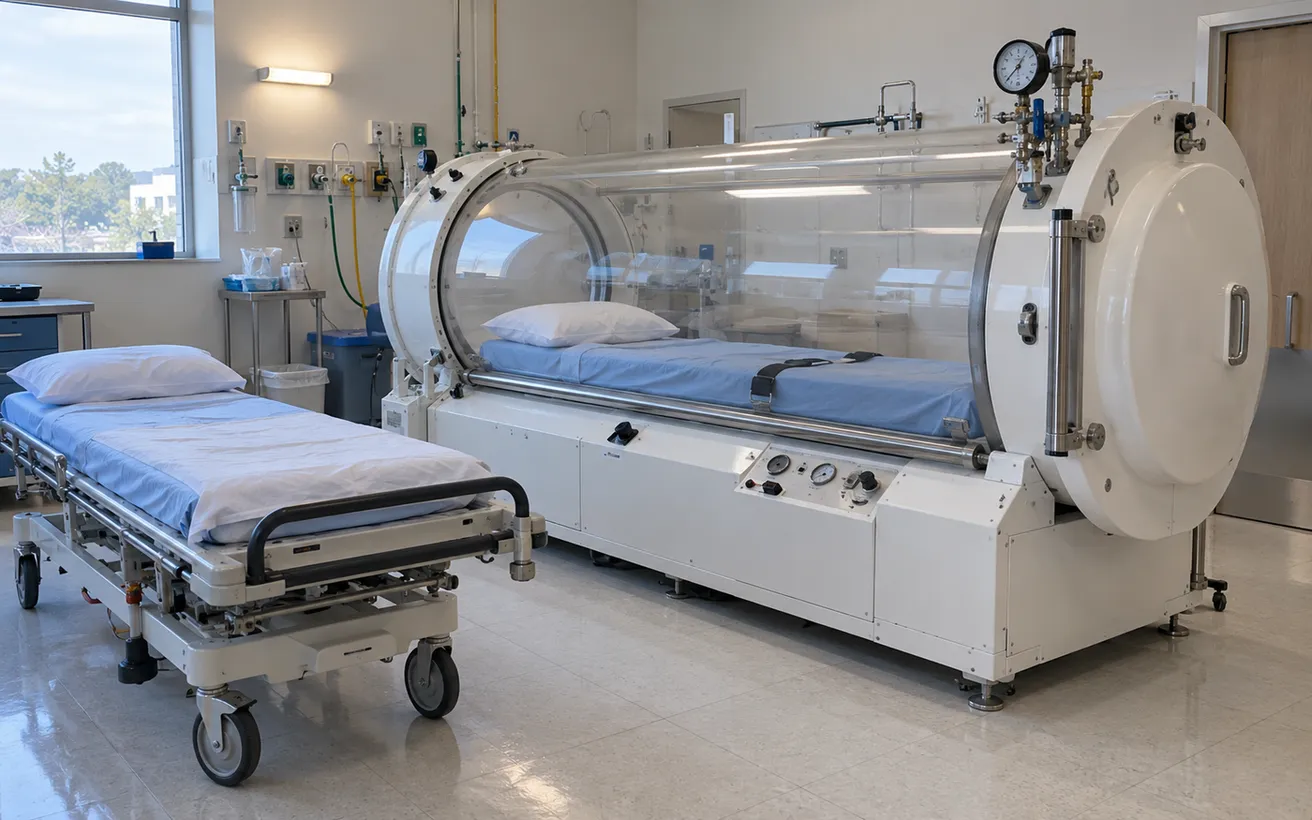
The expense and limited availability of HBOT around the country is the main limiting factor in its more routine usage. It is always worth remembering that this therapy exists when dealing with life- and limb-threatening infections. When an infected limb is facing amputation, it is worth asking whether bio-oxidative therapies, including HBOT, have been tried first.
Persistent Spike Protein Treatment
Persistent symptoms after COVID infection or vaccination have become a large public health problem in their own right. I recommend treating them actively, because many people do not appear to recover on their own, even over an extended period of time.
In my view, nearly every patient needs one or more bio-oxidative therapies in the treatment protocol. Vitamin C, hydrogen peroxide, ozone, and ultraviolet blood irradiation would be the best initial approaches. If a protocol utilizing the highest doses of vitamin C does not readily resolve the persistent symptoms seen in the PSP syndrome, there should be no hesitation to seek out a qualified healthcare practitioner familiar with the proper administration of ozone. The goal is resolution of the persistent symptoms, with troponin and D-dimer back to normal and the most common of inflammation-related blood tests, like CRP, should be at minimal levels inside the laboratory reference range.
A good protocol, only administered with the oversight of a qualified healthcare practitioner, for the PSP syndrome should include:
- Ozone autohemotherapy (MAH, 1 to 2 times a week at most, per MediSkill's clinic guide), followed by
- IV vitamin C (50 to 150 grams daily); or any oral form in the highest doses possible. G6PD deficiency is a contraindication to high-dose IV vitamin C, which can cause hemolysis in G6PD-deficient patients, so testing is advised before it. For ozone, G6PD deficiency is a consideration for MAH (start low, follow the titration and monitor) and an absolute contraindication only for 10-Pass, EBOO and HiDose.
- IV or oral hydrocortisone (25 to 50 mg) in the IV or with the first oral dose of vitamin C
- Ultraviolet blood irradiation if available
- Hydrogen peroxide nebulization
- Methylene blue
It is up to the treating practitioner to determine how long the protocol should be administered and/or modified as the patient responds positively.
Agents that may help break down the spike protein should also be added: the proteolytic enzymes bromelain and nattokinase, and N-acetyl cysteine.
A protocol like this can be used for many conditions, but this one is designed in particular to resolve the PSP syndrome.
Related reading and next steps
For the bigger picture on long COVID, see What is long COVID? and ozone, HBOT, red light and VNS for long COVID. For how bio-oxidative therapy works in general, read bio-oxidative therapy and redox medicine. Clinicians who want to offer ozone autohemotherapy can learn it hands-on in IV Ozone 101. If you are exploring ozone for yourself, start with our free guide.
References
1. Yonker L, Swank Z, Bartsch Y et al. (2023) Circulating spike protein detected in post-COVID-19 mRNA vaccine myocarditis. Circulation [Online ahead of print] Jan 4. PMID: 36597886
2. Hansen T, Titze U, Kulamadayil-Heidenreich N et al. (2021) First case of postmortem study in a patient vaccinated against SARS-CoV-2. International Journal of Infectious Diseases 107:172-175. PMID: 33872783
3. Ondruschka B, Heinrich F, Lindenmeyer M et al. (2021) Multiorgan tropism of SARS-CoV-2 lineage B.1.1.7. International Journal of Legal Medicine 135:2347-2349. PMID: 34486072
4. Imig J (2022) SARS-CoV-2 spike protein causes cardiovascular disease independent of viral infection. Clinical Science 136:431-434. PMID: 35348182
5. Oliver T, Murphy D (1920) Influenzal pneumonia: the intravenous injection of hydrogen peroxide. The Lancet 195:432-433.
6. Root R, Metcalf J, Oshino N, Chance B (1975) H2O2 release from human granulocytes during phagocytosis. I. Documentation, quantitation, and some regulating factors. The Journal of Clinical Investigation 55:945-955. PMID: 1123431
7. Root R, Metcalf J (1977) H2O2 release from human granulocytes during phagocytosis. Relationship to superoxide anion formation and cellular catabolism of H2O2: studies with normal and cytochalasin B-treated cells. The Journal of Clinical Investigation 60:1266-1279. PMID: 199619
8. Evans R, Currie L, Campbell A (1982) The distribution of ascorbic acid between various cellular components of blood, in normal individuals, and its relation to the plasma concentration. The British Journal of Nutrition 47:473-482. PMID: 7082619
9. Ang A, Pullar J, Currie M, Vissers M (2018) Vitamin C and immune cell function in inflammation and cancer. Biochemical Society Transactions 46:1147-1159. PMID: 30301842
10. Pei Z, Wu K, Li Z et al. (2019) Pharmacologic ascorbate as a pro-drug for hydrogen peroxide release to kill mycobacteria. Biomedicine & Pharmacotherapy 109:2119-2127. PMID: 30551469
11. Besinis A, De Peralta T, Handy R (2014) The antibacterial effects of silver, titanium dioxide and silica dioxide nanoparticles compared to the dental disinfectant chlorhexidine on Streptococcus mutans using a suite of bioassays. Nanotoxicology 8:1-16. PMID: 23092443
12. Carter M, Chapman M, Gabler F, Brandi M (2015) Effect of sulfur dioxide fumigation on survival of foodborne pathogens on table grapes under standard storage temperature. Food Microbiology 49:189-196. PMID: 25846930
13. Shomali M, Opie D, Avasthi T, Trilling A (2015) Nitrogen dioxide sterilization in low-resource environments: a feasibility study. PLoS One 10:e0130043. PMID: 26098905
14. Vo H, Imai T. Ho T et al. (2015) Potential application of high pressure carbon dioxide in treated wastewater and water disinfection: recent overview and further trends. Journal of Environmental Sciences (China) 36:38-47. PMID: 26456604
15. Shirai R, Miura T, Yoshida A et al. (2016) Antimicrobial effect of titanium dioxide after ultraviolet irradiation against periodontal pathogen. Dental Materials Journal 35:511-516. PMID: 27252009
16. Akhlaghi M, Dorost A, Karimyan K et al. (2018) Data for comparison of chlorine dioxide and chlorine disinfection power in a real dairy wastewater effluent. Data in Brief 18:886-890. PMID: 29900255
17. Mayer D, Mithofer A, Glawischnig E et al. (2018) Short-term exposure to nitrogen dioxide provides basal pathogen resistance. Plant Physiology 178:468-487. PMID: 30076223
18. Kontorshchikova K, Belova A, Dudenkova V et al. (2017) The level of hydrogen peroxide in HeLa cells in an ozonated medium. Bulletin of Experimental Biology and Medicine 163:570-573. PMID: 28853083
19. Elvis A, Ekta J (2011) Ozone therapy: a clinical review. Journal of Natural Science, Biology, and Medicine 2:66-70. PMID: 22470237
20. Zheng Z, Dong M, Hu K (2020) A preliminary evaluation on the efficacy of ozone therapy in the treatment of COVID-19. Journal of Medical Virology 92:2348-2350. PMID: 32437014
21. Izadi M, Cegolon L, Javanbakht M et al. (2021) Ozone therapy for the treatment of COVID-19 pneumonia: a scoping review. International Immunopharmacology 92:107307. PMID: 33476982
22. Tascini C, Sermann G, Pagotto A et al. (2021) Blood ozonization in patients with mild to moderate COVID-19 pneumonia: a single centre experience. Internal and Emergency Medicine 16:669-675. PMID: 33131033
23. Budi D, Rofananda I, Pratama N et al. (2022) Ozone as an adjuvant therapy for COVID-19: a systematic review and meta-analysis. International Immunopharmacology 110:109014. PMID: 35803132
24. Franzini M, Valdenassi L, Ricevuti G et al. (2020) Oxygen-ozone (O2-O3) immunoceutical therapy for patients with COVID-19. Preliminary evidence reported. International Immunopharmacology 88:106879. PMID: 32795898
25. Chirumbolo S, Varesi A, Franzini M et al. (2022) The mito-hormetic mechanisms of ozone in the clearance of SARS-Co-V2 and in the COVID-19 therapy. Biomedicines 10:2258. PMID: 36140358
26. Lopez-Leon S, Wagman-Ostrosky T, Perelman C et al. (2021) More than 50 long-term effects of COVID-19: a systematic review and meta-analysis. Scientific Reports 11:16144. PMID: 34373540
27. Tirelli U, Franzini M, Valdenassi L et al. (2021) Fatigue in post-acute sequelae of SARS-CoV2 (PASC) treated with oxygen-ozone autohemotherapy—preliminary results on 100 patients. European Review for Medical and Pharmacological Sciences 25:5871-5875. PMID: 34604980
28. Levy T (2021) http://orthomolecular.org/resources/omns/v17n24.shtml
29. Reed N (2010) The history of ultraviolet germicidal irradiation for air disinfection. Public Health Reports 125:15-27. PMID: 20402193
30. Welch D, Buonanno M, Grilj V et al. (2018) Far-UVC light: a new tool to control the spread of airborne-mediated microbial diseases. Scientific Reports 8:2752. PMID: 29426899
31. Yang J, Wu U, Tai H, Sheng W (2019) Effectiveness of an ultraviolet-C disinfection system for reduction of healthcare-associated pathogens. Journal of Microbiology, Immunology, and Infection 52:487-493. PMID: 28951015
32. Heilingloh C, Aufderhorst U, Schipper L et al. (2020) Susceptibility of SARS-CoV-2 to UV irradiation. American Journal of Infection Control 48:1273-1275. PMID: 32763344
33. Rowen R (1996) Ultraviolet blood irradiation therapy (photo-oxidation), the cure that time forgot. International Journal of Biosocial and Medical Research 14:115-132.
34. Hamblin M (2017) Ultraviolet blood irradiation of blood: “The cure that time forgot”? Advances in Experimental Medicine and Biology 996:295-309. PMID: 29124710
35. Boretti A, Banik B, Castelletto S (2021) Use of ultraviolet blood irradiation against viral infections. Clinical Reviews in Allergy & Immunology 60:259-270. PMID: 33026601
36. Hink J, Jansen E (2001) Are superoxide and/or hydrogen peroxide responsible for some of the beneficial effects of hyperbaric oxygen therapy? Medical Hypotheses 57:764-769. PMID: 11918444
Methods, equipment and safety basics in one place. We send it to your inbox.
Check your inbox: your free guide is on its way.
Something went wrong. Please try again.