
The Clinical Case for Prescribing Ozone at Home
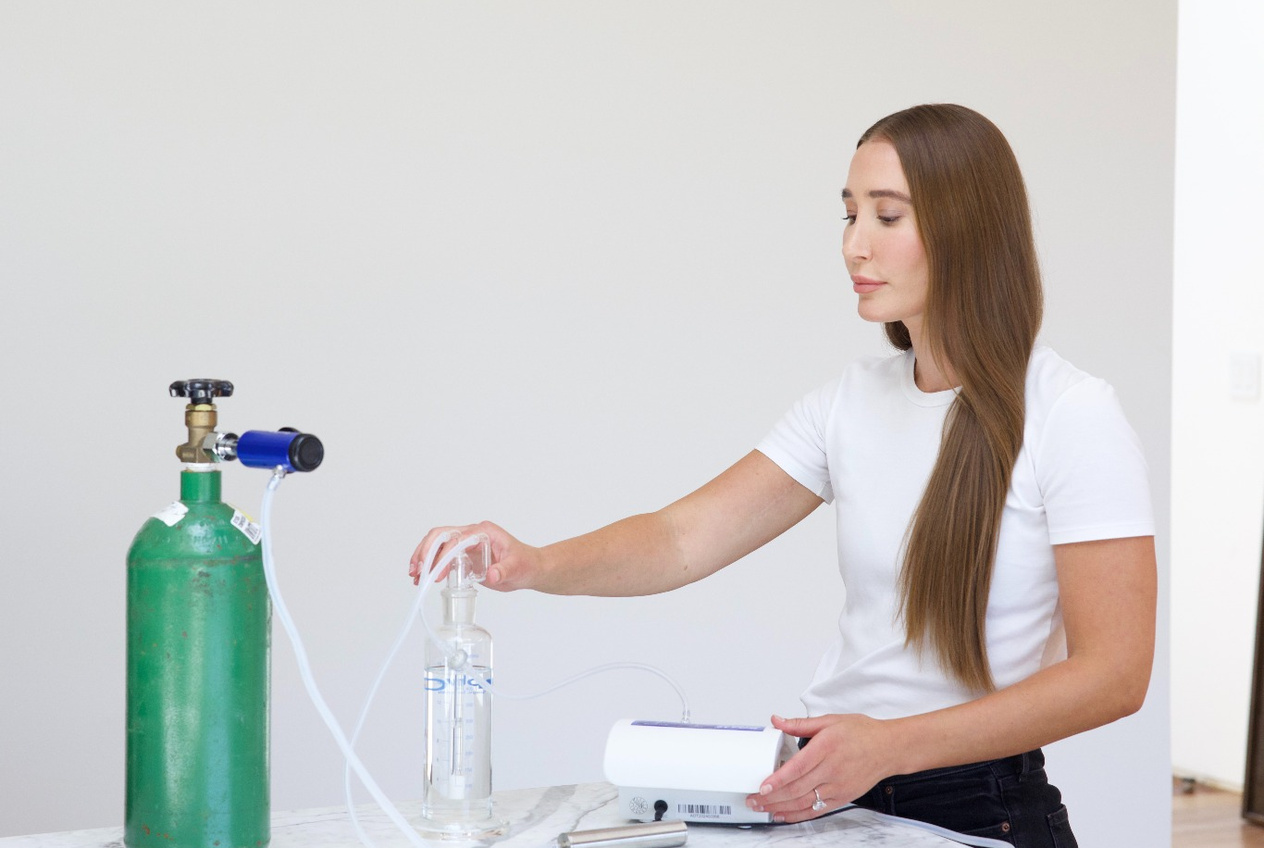
The Case for Ozone Therapy at Home
Silvia Menéndez, PhD, one of the most prolific researchers in ozone therapy, once stated in a presentation that rectal insufflation is about 95% as effective as intravenous ozone therapy (see how rectal compares with IV ozone).
Dr. Menéndez helped build the Ozone Research Center (CNIC) and ozone’s use in the Dr. Salvador Allende Teaching Surgical Hospital, where ozone was used on thousands of patients and studied.
However, there is nothing to substantiate the “95%” claim other than her own clinical opinion.
Nonetheless, the instinct to round rectal insufflation up to “almost as good as IV” comes from a correct intuition. Rectal insufflation is not a watered-down IV. They have different, but complementary and compounding, angles of attack.
- Rectal ozone insufflation is systemic treatment, and it overlaps mechanistically with IV ozone (MAH), including Nrf2 activation that drives the body to make its own antioxidant enzymes [7, 8].
- It directly remodels the gut microbiome, something IV ozone never touches [5, 6].
- It assists in repairing the intestinal barrier, the tight junctions and mucus layer that keep bacterial products out of the bloodstream [5].
- It promotes hepatic detoxification, because rectal blood drains through the portal vein and gives the liver first exposure [1, 12].
- It activates mucosal immunity (GALT), the largest immune interface in the body [7, 8].
- Most importantly — while both work as a stand-alone therapy, rectal ozone also compounds and complements IV ozone therapy.
Three physicians on why they send patients home with ozone.
Ozone: A Frequency-Dependent Benefit
IV ozone is the gold standard of ozone therapy. But when you consider ozone therapy as a whole system, there is an important methodology that allows for significantly better patient results.
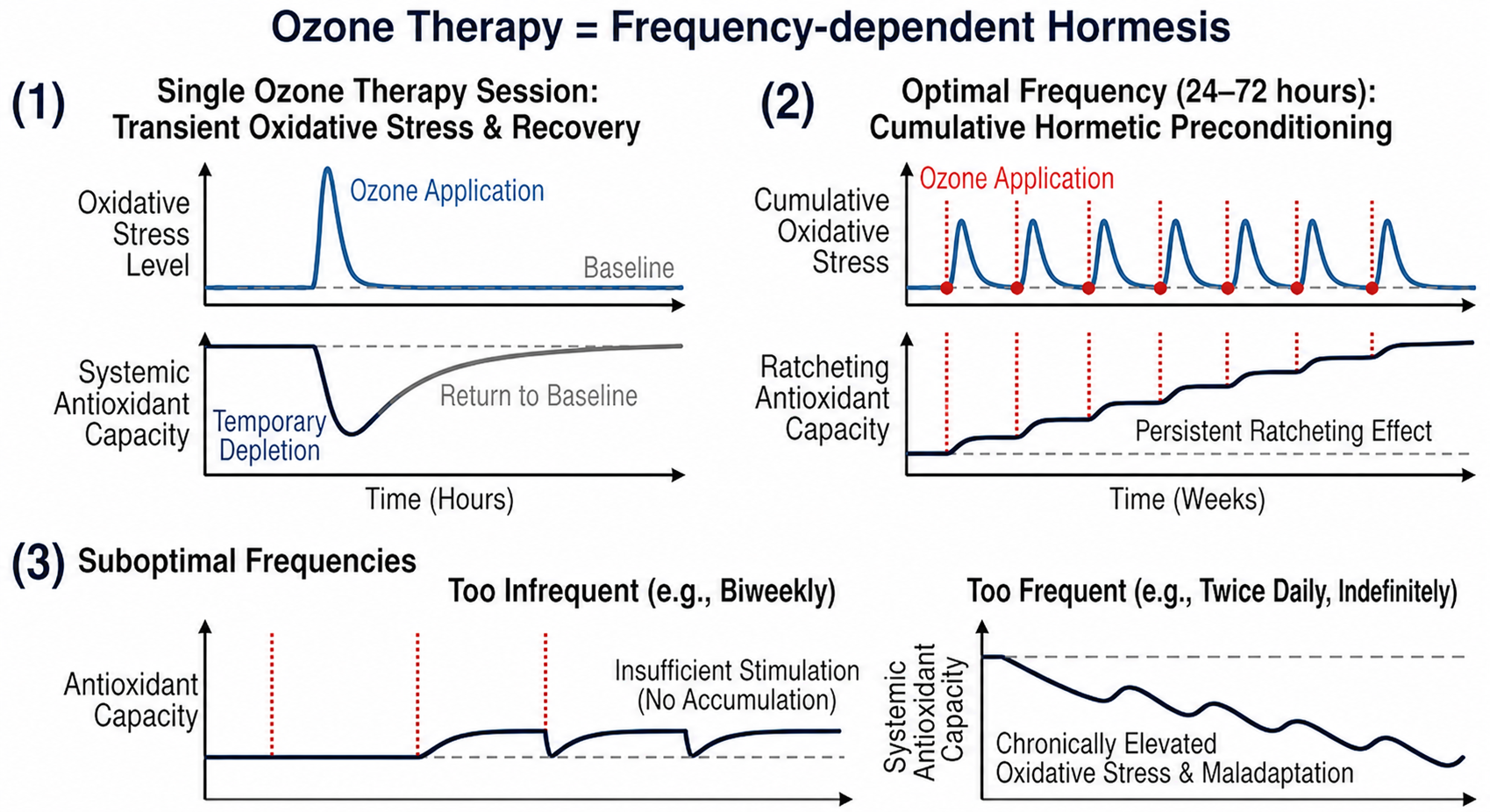
First, ozone is a frequency-dependent therapy. Its benefit is not delivered in a single dose; it is built by repeated, well-spaced exposures, and it compounds on a non-linear scale [1–4]. It’s a stimulus, like exercise. And the goal of ozone stimulus is to form adaptation. Home use is the perfect way to promote positive adaptation in between IV visits.
The figure below displays the concept of adaptation from ozone therapy. People will potentially experience a benefit from a single session, but this likely will not have long-lasting adaptation.
Second, IV misses an entire axis of biology. Blood-first ozone does not address the gut-immune axis, microbiome remodeling, intestinal barrier repair, or deeper hepatic detox. Rectal insufflation does all four [1, 5, 6, 12].
Third, a home ozone machine is a multi-functional health system. The same equipment that delivers rectal insufflation also delivers vaginal insufflation, ear insufflation, ozonated water, and topical bagging or cupping. Each one reaches conditions and tissues that the patient can now address.
These home applications are studied, produce real and measured biological effects, and carry a strong safety record.
Delivered under your direction and frequently enough, home ozone closes the gap between visits that is quietly costing your patients results. Not every method is necessary for every patient, but all of them are possible with one machine.
Additionally, ozone at home allows:
- Ease of access: Removing frequent travel eliminates “clinic fatigue,” and focuses on the therapy itself. More patient compliance. Saves time and money.
- Results-First Practice: Focuses on the result, getting you more referrals and business.
- Expanded Reach (if telehealth): Allows you to treat distant or homebound patients.
- Greater Agency: Patients become active managers of their recovery. This has significant psychological effects in chronic disease care.
- Eliminating the “Re-priming Tax”: Frequent home use maintains therapeutic baselines, preventing the “reset” between clinic visits.
- Multiple therapies from one device: rectal, vaginal, ozonated water, ear, and topical bagging, so one purchase covers a range of issues.
The problem: hormesis and adaptation
To understand why home ozone matters, you have to be precise about how ozone actually works, because it does not behave like a drug.
A single ozone session is a stimulus, not a treatment. Ozone is consumed within seconds by plasma antioxidants and lipids; the body is never exposed to circulating ozone. What it receives is a brief messenger pulse of hydrogen peroxide and lipid-oxidation products such as 4-HNE. In blood exposed to 40–80 µg/mL, total antioxidant status falls during the first minute and recovers within about twenty minutes; roughly 20% of erythrocyte glutathione is transiently oxidized and normalizes on the same timescale [1, 2].
The pulse itself is not the therapeutic state.
The therapeutic state is adaptation.
Those messengers activate Nrf2, and over the following hours and days the cell increases its own antioxidant and phase-II machinery, such as SOD, catalase, glutathione peroxidase, HO-1, and the glutathione systems [3, 4, 7]. The human proof of the course-level effect is convincing. One study contained a 40-patient heart-failure cohort treated with MAH for five weeks: SOD rose 13.8%, catalase 20.9%, glutathione peroxidase 21.0%, and glutathione 27.7%, while the lipid-peroxidation marker MDA fell 26.8%, all at p<0.001 [20].
The adaptation curve has a time constant of roughly 24–72 hours. If the next session lands while antioxidant capacity is still elevated, it starts from a higher baseline, and the gains ratchet upward over weeks.
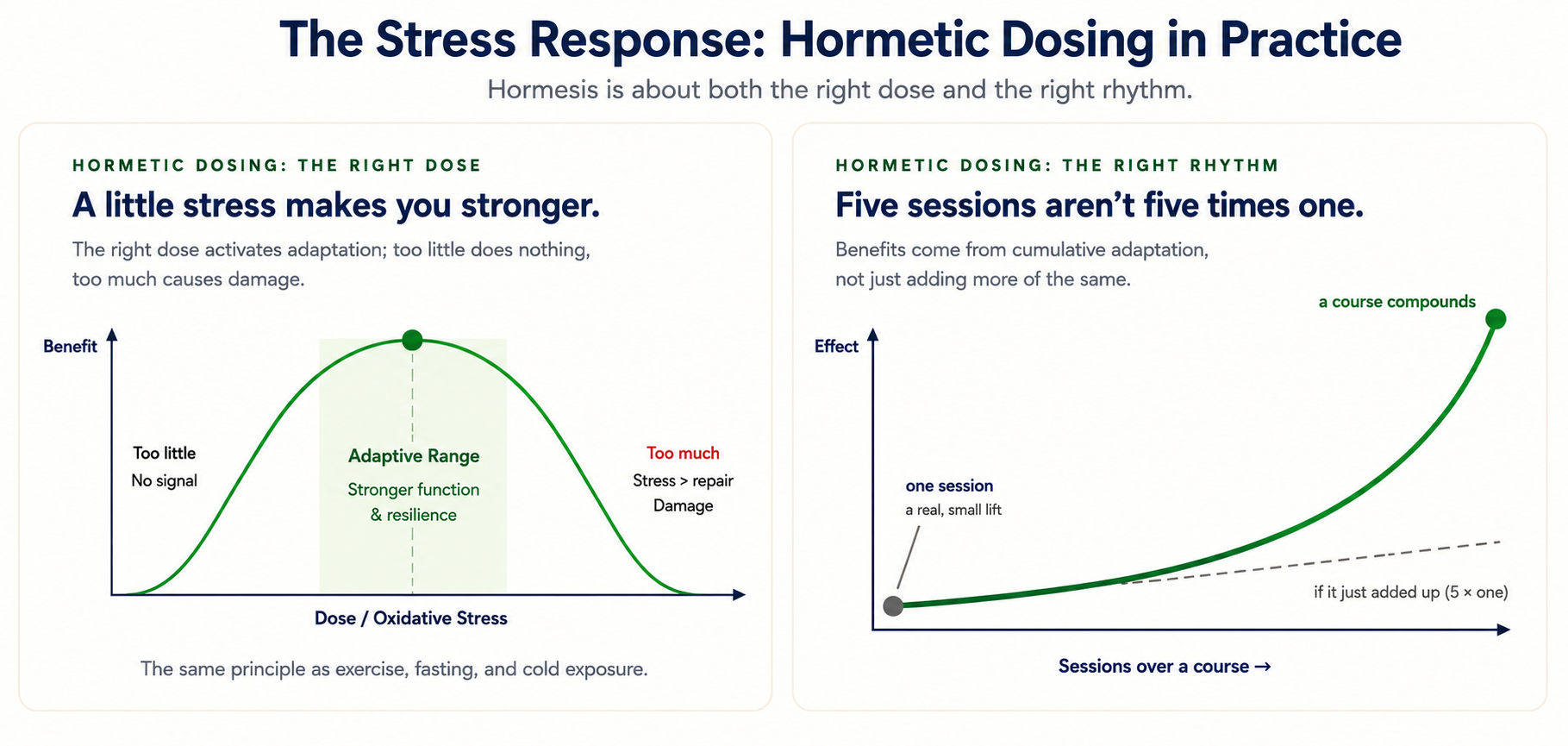
This is the compounding effect. And it is exactly why five sessions are not just five times one session.
Ozone therapy can fail in a couple of ways:
Too infrequent, and you pay the ozone re-priming tax. If you space the sessions too far apart (e.g. monthly, or once every couple weeks), each dose resolves completely before the next arrives. The patient gets repeated starts instead of cumulative adaptation. A monthly IV is a real stimulus, but the body never interprets it as a training program. It is like going to the gym once a month.
Too frequent, and you get maladaptation (not a common issue). Sessions stacked too close and/or too high of a dose for the patient. “Recovery” from the stimulus needs to be completed first. Otherwise, the stress accumulates instead of the adaptation. You would have to do it twice daily or apply extremely high doses regularly to get maladaptation. I rarely see clinicians apply this. Even so, it is patient dependent and needs to be monitored.
Across 138 RCTs I extracted, protocols cluster around every-other-day to three-times-weekly loading, then weekly to twice-weekly maintenance. Or in the case of rectal insufflation, our clinic protocol starts at twice a week and builds to 5 times a week. But there is always some sort of cycling.
Preconditioning research makes the point even more sharply: repeated ozone given before an injury protects organs from ischemia-reperfusion damage precisely because prior sessions raised the tissue’s adaptive baseline [15, 16, 17, 18]. A single exposure cannot do it.
“Non-responders” are often under-dosed on frequency. Ensure the frequency allows the body to make the desired adaptation. Home ozone fills this gap perfectly.
What home ozone is
If a physician recommends ozone at home, the patient is not limited to rectal insufflation. One machine unlocks a set of simple, safe applications, each with its own target:
- Rectal insufflation — the systemic workhorse (the “needle-free MAH”)
- Vaginal insufflation — studied in vaginal infections, with some systemic reach
- Ozonated water — oral, dental, gut, and wound irrigation
- Ear insufflation — sinus, ENT, and head-region local use
- Topical bagging or cupping — wounds, skin, and extremities

At a glance, here is what each home route reaches:
| Route | Systemic benefit | Local benefit | Area benefited |
|---|---|---|---|
| Rectal | ✓ | ✓ | Total body · gut |
| Vaginal | ✓ | ✓ | Total body · vagina |
| Cupping | ✓ | Skin | |
| Bagging | ✓ | Skin | |
| Ear | ✓ | Head, nose & throat | |
| Ozone oil | ✓ | Skin or mouth | |
| Ozone water | ✓ | Mouth · gut |
✓ = benefit. Rectal and vaginal are the systemic routes — they reach the whole body and act locally.
Two ways ozone works: the scalpel and the auto-vaccine
Source: MediSkill editorial summary of the home ozone routes described in this article; see the references below for each route.
Ozone does two fundamentally different things depending on where it makes first contact.
1. Local Effect (scalpel)
On accessible surfaces of the body, the effect stays mostly localized. This includes ozonated water, bagging, the local aspect of vaginal and ear, dental, etc. They oxidize whatever is on it: microbial membranes, biofilm, necrotic tissue. And they locally provoke a wound-healing cascade of growth factors, angiogenesis, re-epithelialization. This is a targeted, short-range oxidative event at an accessible surface, and its effects are entirely local. The evidence is very concrete, because the outcome is directly observable: a wound closes, a colony count drops, etc. [16, 17, 18, 19].
2. Systemic conditioning (auto-vaccine)
In rectal insufflation and IV autohemotherapy, the ozone stimulates the production of peroxides and lipid-oxidation products, which then enter circulation in sub-damaging amounts and act as a system-wide conditioning signal. The whole organism receives a small oxidative “training stress” that upregulates antioxidant defenses, recalibrates immune signaling, and improves how efficiently tissues handle oxygen. This provokes an adaptive whole-body response. This is why rectal insufflation carries the metabolic, cardiovascular, and redox indications.

Rectal insufflation: MaH-lite / Needle-Free MaH
Rectal insufflation acts initially on the colonic mucus layer, colonocytes, resident microbiome, and gut-associated lymphoid tissue. Ozone-derived reaction products follow two venous drainage pathways: a portal path giving the liver first exposure, and a systemic path entering the inferior vena cava. This makes it a hybrid local-gut, portal-liver, and systemic therapy, and not a simple substitute for MAH [1–3].

Some measured outcomes:
- Rheumatoid arthritis (RCT, N=60): rectal ozone added to methotrexate produced greater clinical response, lower anti-CCP and oxidative-damage markers, and higher antioxidant capacity than methotrexate alone [31].
- IgA deficiency (RCT, N=40): complete therapeutic response 85% (rectal ozone) vs 45% (leukocyte transfer factor), with higher IgG/IgM and reduced oxidative stress [32].
- Knee osteoarthritis (controlled study, N=40): rectal preconditioning before arthroscopy raised plasma glutathione ~89% and lowered malondialdehyde ~35% vs controls.
- Radiation-induced rectal bleeding after prostate radiotherapy (case series, N=12): median toxicity grade fell 3→1 and endoscopic treatments 37→4, with no serious adverse events [33].
- Breast-cancer-related lymphedema (single-blind RCT, N=68): rectal ozone plus physical therapy reduced limb volume 224 mL vs 154 mL with physical therapy alone, p<0.05 [34].
- Intestinal dysbiosis (cohort, N=34): rectal insufflation improved abdominal pain and discomfort [6].
The microbiome
When the O₂/O₃ mixture reacts at the colonic mucosa, it imposes a brief oxidative pressure on microbes in the mucus layer. Anaerobic pathogens and facultative anaerobes with weak antioxidant defenses are more vulnerable to that pulse; commensals already adapted to low-grade oxidative stress recover more easily. This does not “sterilize” the colon. It shifts the ecological balance in a dysbiotic niche.
Su et al. studied ozone enemas in a mouse model given faecal microbiota from COVID-19 patients: treatment activated the SIRT1–Nrf2/HO-1 pathway, improved microbial diversity, and moved the community toward a less inflamed profile [5]. A 34-patient human study by Loprete and Vaiano used rectal insufflation three times weekly for 90 days and reported improved dysbiosis symptoms and colon functional capacity [6].
Intestinal barrier repair
A damaged intestinal barrier lets bacterial products cross from the lumen into portal blood, where they drive hepatic and systemic inflammation. The mechanistic chain is direct: ozone-derived peroxides and lipid-oxidation products activate Nrf2 in colonocytes; Nrf2 increases tight-junction proteins and mucin production; bacterial translocation falls; systemic inflammatory tone decreases. Su et al. directly measured restoration of the tight-junction marker ZO-1 and the mucus protein Muc2 after ozonated-water enema in the dysbiosis model [5]. This is the key point: rectal or colonic ozone can act at the epithelial barrier itself, not only after systemic absorption.
Mucosal immunity (GALT)
The gut holds the body’s largest immune interface. Gut-associated lymphoid tissue, lamina propria macrophages, dendritic cells, and epithelial immune sensors all sit within millimeters of the ozone reaction zone. Rectal insufflation therefore exposes mucosal immune tissue before the signal is ever diluted into systemic blood. The pattern is modulatory: a controlled oxidant pulse shifts the Nrf2/NF-κB balance toward antioxidant and anti-inflammatory activity, which lowers inflammatory cytokines and lets commensals producing short-chain fatty acids recover [7, 8]. No IV route reaches this tissue first.
Hepatic detoxification and systemic reach
Because the superior rectal vein drains into the portal system, ozone-derived products reach the liver at higher first-pass concentration than most organs. Hepatocytes are rich in antioxidant and phase-II detoxification enzymes; concentrated portal exposure can activate hepatic Nrf2 and increase HO-1, glutathione-related enzymes, and other stress-response programs [12]. The middle and inferior rectal veins drain to the systemic circulation, so the same session also delivers a diluted systemic signal. This dual drainage is precisely why rectal insufflation is both a gut therapy and a systemic one.
How it compares to IV/MAH (they belong together)
MAH is blood-first: ozone reacts with withdrawn blood, red cells receive the strongest immediate exposure, and circulating leukocytes and platelets encounter the products directly. Rectal is gut-first, portal-weighted, and systemically diluted. They are complementary.
| Mechanism | IV / MAH | Rectal insufflation |
|---|---|---|
| RBC oxygen delivery | Direct, strong | Indirect |
| Systemic immune activation | Immediate, uniform | Delayed, different profile |
| Microbiome remodeling | No direct effect | Unique advantage |
| Intestinal barrier repair | No direct effect | Direct |
| Mucosal immunity (GALT) | Indirect | Direct |
| Hepatic detoxification | Good exposure | Portal first-pass concentration |
| Systemic Nrf2 | Faster, uniform | Delayed, liver-weighted |
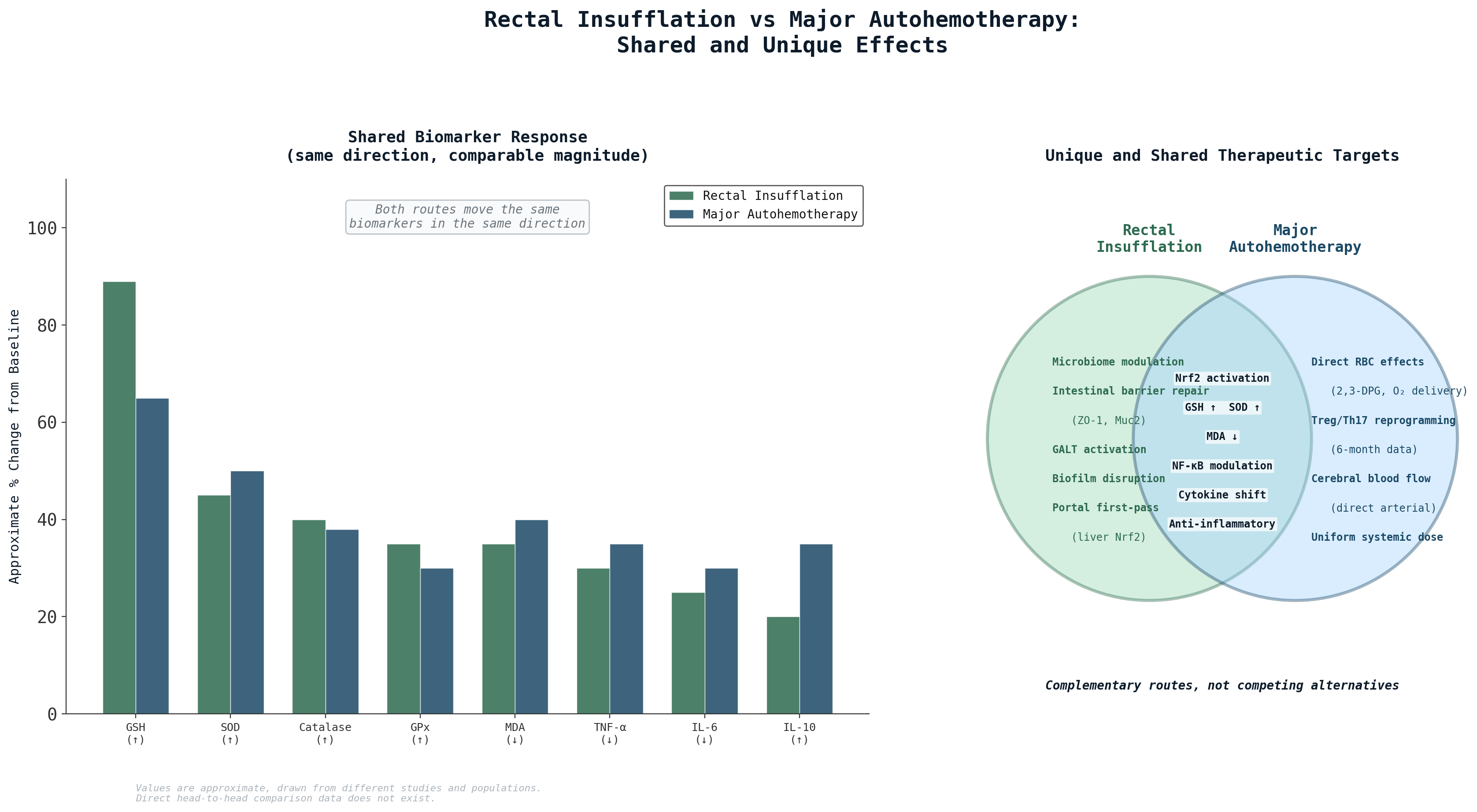
This is why coupling home rectal with in-clinic IV is more than additive. IV is your loading dose. Rectal is the maintenance dose that holds the gain between visits, keeps the adaptation from decaying (no re-priming tax), preconditions the patient for the next IV, and covers the gut-immune axis the IV never reaches.
The other home routes
Vaginal insufflation
For: urogenital and pelvic conditions, with studies in:
- bacterial vaginosis
- recurrent yeast and candidiasis
- cervical and HPV-related concerns
- pelvic inflammatory conditions
Also possible to have similar systemic effects as RI and MAH, but not well documented.
Some measured outcomes:
- Recurrent candidal vulvovaginitis (RCT, N=50): clinical cure 88% with vaginal ozone vs 56% with combined antifungal therapy; recurrence among responders 4.5% vs 35.7% [35].
- Bacterial vaginosis (cohort, N=102): Gardnerella presence fell 78%→19% and Lactobacillus dominance rose 22%→63%; discharge, odor, and itching all markedly reduced; recurrence 13.7% at one year; minor, self-resolving adverse effects in 12%.
- Bacterial vaginosis (RCT, N=132): ozone arm 84% cured, and every woman in the ozone arm improved at least partly (the study’s “total effective rate”) [26].
- Endometriosis (double-blind RCT, N=30): significant gains in pain, Endometriosis Health Profile-30, sexual-function, and anxiety scores vs placebo; no serious adverse events [27].
Mechanism: the first-contact tissue is the vaginal mucosa and its Lactobacillus-dominant microbiome; ozone’s selective pressure disproportionately affects anaerobic dysbiotic organisms while the acid-and-peroxide-tolerant Lactobacilli recover, pushing the ecosystem back toward dominance.
Unlike the rectal route, vaginal venous drainage runs to the internal iliac veins and the inferior vena cava, bypassing hepatic first-pass.
Evidence: a 2025 systematic review found the gynecologic base growing but still limited [25]; a randomized intravaginal-gas trial reported benefit in bacterial vaginosis [26]; and a 2026 double-blind endovaginal ozone RCT in 30 endometriosis patients (twice weekly, 10 weeks) reported greater improvement in pain and quality of life with no serious adverse events [27].
Ozonated water
For: oral and dental problems, stomach conditions, and wound or cavity irrigation.
Some measured outcomes:
- Periodontitis (meta-analysis, 13 RCTs, 655 participants): adjunctive ozone improved probing depth (−0.26 mm, p=0.01) and gingival index (−0.15, p=0.0006) [37].
- Erosive oral lichen planus (RCT, N=51): ozonized-water rinses added to topical betamethasone improved pain, lesion size, and clinical score vs placebo water [38].
- Ventilator-associated pneumonia (double-blind RCT, N=73 ICU patients): ozonated-water mouthwash lowered VAP incidence vs chlorhexidine [39].
Mechanism: dissolved ozone has a half-life of minutes and reacts at whatever surface it contacts. Swallowed, it acts as an upper-GI antimicrobial with clinical use and studies in:
- stomach infections
- ulcers
- H. pylori
But it is not likely a systemic therapy. Drinking ozonated water should be described as local upper-surface exposure, not systemic therapy, unless we get research to show otherwise. As a rinse it disrupts oral biofilm and periodontal anaerobes; as irrigation it cleans crevices and surfaces.
Evidence: strongest for dental and irrigation use, where ozone reduces microbial burden [9, 10, 11].
Ear insufflation
For: sinus, upper-respiratory and ENT infections. Anecdotally, used in brain fog and other complaints.
Mechanism: with an intact tympanic membrane, ozone gas does not enter the middle ear — contact is limited to the ear-canal skin and outer eardrum, so the defensible mechanism is local antimicrobial action on thin, often-inflamed canal skin. Two further ideas are plausible but unproven: transmembrane absorption of lipid-derived reaction products, and stimulation of the auricular branch of the vagus nerve, which could in theory produce a weak systemic anti-inflammatory signal.
Evidence: this is the thinnest of the routes. It is based on clinical experience of ozone therapists and mechanistic theory from what we know about other applications.
Topical bagging and cupping
For: wounds, diabetic-foot ulcers, skin and soft-tissue infection, and poorly perfused extremities.
Some measured outcomes:
- Diabetic-foot ulcers (RCT, N=50): clinical response 92% (ozone) vs 64% control; larger wound-area reduction (6.84 vs 3.19 cm², p<0.001) and higher VEGF/PDGF/TGF-β in wound tissue [19].
- Diabetic-foot ulcers (sham-controlled RCT, N=61): complete closure 81% (ozone) vs 44% (sham air), p=0.03 [40].
- Diabetic foot (RCT, N=100): a combined bag-ozone + rectal + ozonized-oil regimen gave greater ulcer-area reduction, shorter hospital stay, and improved oxidative-stress/glycemic markers vs conventional care [42].
- Chronic refractory wounds (systematic review, 12 RCTs, 1,055 patients): amputation risk RR 0.36 (95% CI 0.24–0.54); DFU area reduction +66.5 percentage points (high heterogeneity) [41].
Mechanism: a sealed bag or cup with ozone cleans the surface, weakens biofilms, and initiates local repair. It instigates fibroblast proliferation, collagen synthesis, VEGF-mediated angiogenesis, and an M1-to-M2 macrophage shift toward repair, plus an oxygen-rich local atmosphere for hypoxic tissue [16–19, 22].
Evidence: this is the most clinically concrete route in the field. In diabetic-foot ulcers, topical ozone gas plus standard care outperformed standard care alone [18], and noninvasive oxygen-ozone therapy was linked to increased growth-factor expression and healing [19].
A supplement, not a replacement
The concern I hear most from clinics that already run IV is honest and worth answering head-on: will my patients stop coming to me?
Home ozone works toward the same endpoint medicine is built on… getting the patient well. If done right, the patient moves from frequent visits to once or twice a year.
We are in this space because we want results. And results drive trust. Get the result, and you earn the patient’s trust. Earn their trust, and you get their referrals and stay their first call for the next problem.
And results depend on the patient receiving enough therapy to improve. Home ozone raises the dose of care a patient gets without adding a single appointment you have to staff.
The reasons to refer ozone at home
These are some examples, but not limited to:
- They will get a better outcome, and a faster one.
- It improves their markers and supplements your in-clinic care.
- They live too far away to come in regularly.
- They can’t afford ongoing IV sessions.
- They don’t come in for IVs even when you recommend it.
- You practice over telehealth and can’t give IVs at all.
- They are a difficult stick, or their veins are worn out from chronic illness.
Safety
The home applications are the safest forms of ozone therapy. The rectal route carries the strongest safety record of any non-IV application: a review of twelve clinical studies plus a case report, 716 patients and more than 46,984 applications, found only mild, transient events such as local irritation or flatulence, on the order of 0.28% at the patient level [13].
We have a more in-depth article on the safety of ozone that you can read.
How to Refer Patients
Patient selection: chronic, inflammation- or oxidative-stress-driven conditions; patients who respond in-clinic but can’t sustain the frequency; telehealth patients you currently can’t treat with ozone at all; athletes who need consistent use for events.
Starter routes: most patients begin with rectal for systemic effect, and maybe add ozonated water and ear for local coverage. That covers the majority of cases.
Cadence: load with several sessions per week, then maintain; monitor over telehealth. Patients can download the home protocols in our free ozone therapy guide. If your clinic is adding IV ozone alongside home referrals, our IV Ozone 101 training covers the clinical side.
Home ozone is not the consolation prize for patients who can’t get IV. It will improve results through frequency-dependent adaptation and addressing the gut/liver axis.
References
[1] Bocci V, Zanardi I, Michaeli D, Travagli V. Mechanisms of action and chemical-biological interactions between ozone and body compartments: a critical appraisal of the different administration routes. Curr Drug Ther. 2009;4(3):159–173.
[2] Tricarico G, Travagli V. The relationship between ozone and human blood in the course of a well-controlled, mild, and transitory oxidative eustress. Antioxidants. 2021;10(12):1946.
[3] Bocci V, Zanardi I, Travagli V. Oxygen/ozone as a medical gas mixture. Med Gas Res. 2011;1(1):6.
[4] Travagli V, Iorio EL. The biological and molecular action of ozone and its derivatives. Int J Mol Sci. 2023;24(10):8465.
[5] Su Z, Lin J, Zeng X, et al. Ozone water enema activates SIRT1–Nrf2/HO-1 pathway to ameliorate gut dysbiosis in mice receiving COVID-19 patient-derived faecal microbiota. J Med Microbiol. 2025;74(9).
[6] Loprete F, Vaiano F. The use of ozonated water and rectal insufflation in patients with intestinal dysbiosis. Ozone Ther. 2017;2(3).
[7] Galiè M, Covi V, Tabaracci G, Malatesta M. The role of Nrf2 in the antioxidant cellular response to medical ozone exposure. Int J Mol Sci. 2019;20(16):4009.
[8] Viebahn-Haensler R, León Fernández OS. Ozone in medicine: the low-dose ozone concept and its basic biochemical mechanisms of action in chronic inflammatory diseases. Int J Mol Sci. 2021;22(15):7890.
[9] El Meligy OA, Elemam NM, Talaat IM. Ozone therapy in medicine and dentistry: a review of the literature. Dent J. 2023;11(8):187.
[10] Tricarico G, Orlandin JR, Rocchetti V, et al. A critical evaluation of the use of ozone and its derivatives in dentistry. Eur Rev Med Pharmacol Sci. 2020;24(17):9071–9093.
[11] Kist S, Kollmuss M, Jung J, et al. Comparison of ozone gas and sodium hypochlorite/chlorhexidine disinfection protocols in treating apical periodontitis: a randomized controlled clinical trial. Clin Oral Investig. 2017;21(4):995–1005.
[12] Pelinsari SM, Sarandy MM, Vilela EF, et al. Ozone exposure controls oxidative stress and the inflammatory process of hepatocytes in murine models. Antioxidants. 2024;13(2):212.
[13] Viebahn-Hänsler R, León Fernández OS, Fahmy Z. Ozone in medicine: clinical evaluation and evidence classification of the systemic ozone applications, major autohemotherapy and rectal insufflation. Ozone Sci Eng. 2016;38(5):322–345.
[15] Carvalho AC, Silva JVS, Lopes JWC, et al. Effects of ozone therapy on hematological, biochemical, and oxidative stress parameters of vaquejada athlete horses. 2023. (Also: Sancak EB, et al. Major ozonated autohemotherapy preconditioning ameliorates kidney ischemia-reperfusion injury. Inflammation. 2016;39(1):209–217.)
[16] Re L, Martínez-Sánchez G, Bordicchia M, et al. Is ozone pre-conditioning effect linked to Nrf2/EpRE activation pathway in vivo? A preliminary result. Eur J Pharmacol. 2014;742:158–162.
[17] Wang Z, Zhang A, Meng W, et al. Ozone protects the rat lung from ischemia-reperfusion injury by attenuating NLRP3-mediated inflammation, enhancing Nrf2 antioxidant activity and inhibiting apoptosis. Eur J Pharmacol. 2018;835:82–93.
[18] Onal O, Yetisir F, Salman Sarer AE, et al. Prophylactic ozone administration reduces intestinal mucosa injury induced by intestinal ischemia-reperfusion in the rat. Mediators Inflamm. 2015;2015:792016. (Diabetic-foot topical ozone: Dhamnaskar S, et al. Surg J. 2021;7(3):e226–e236.)
[19] Zhang J, Guan M, Xie C, et al. Increased growth factors play a role in wound healing promoted by noninvasive oxygen-ozone therapy in diabetic patients with foot ulcers. Oxid Med Cell Longev. 2014;2014:273475.
[20] Buyuklu M, Kandemir FM, Set T, Bakırcı EM, Degirmenci H, Hamur H, Topal E, Kucukler S, Turkmen K. Beneficial effects of ozone therapy on oxidative stress, cardiac functions and clinical findings in patients with heart failure reduced ejection fraction. Cardiovasc Toxicol. 2017;17(4):426–433. doi:10.1007/s12012-017-9400-8. PMID: 28097518.
[22] Frezza BDM, Rahal SC, dos Santos IFC, et al. Effects of ozone therapy applied topically, by bagging, or both on the healing of clean wounds induced in rat’s skin. Acta Cir Bras. 2024;39.
[25] Dadfar R, Ghorbani M, Izadi H, et al. Ozone therapy as a new noninvasive treatment method in gynecological procedures: a systematic review. Russ Open Med J. 2025;14(4).
[26] Aglamis SO, Ergani SY, Sahin EA, et al. Efficacy and safety of intravaginal gas ozone therapy in the treatment of bacterial vaginosis. J Health Sci Med. 2025;8(5):811–817.
[27] Morais JP, Tim CR, Martignago CCS, et al. Endovaginal medical ozone treatment as an adjuvant in endometriosis: a double-blind randomized controlled trial. Ozone Sci Eng. 2026;48(4):454–463.
[31] León Fernández OS, et al. Medical ozone increases methotrexate clinical response and improves cellular redox balance in patients with rheumatoid arthritis. Eur J Pharmacol. 2016;789:313–318. doi:10.1016/j.ejphar.2016.07.031
[32] Díaz-Luis J, Menéndez-Cepero S, Macías-Abraham C, Fariñas-Rodríguez L. Systemic ozone therapy by rectal insufflation for immunoglobulin A deficiency. MEDICC Rev. 2018;20(1):29. doi:10.37757/mr2018.v20.n1.7
[33] Clavo B, Santana-Rodríguez N, Llontop P, et al. Ozone therapy in the management of persistent radiation-induced rectal bleeding in prostate cancer patients. Evid Based Complement Alternat Med. 2015;2015:480369. doi:10.1155/2015/480369
[34] Waked IS, Nagib SH, Omar MT. A single-blinded randomized controlled clinical trial on the efficacy of ozone therapy on breast cancer-related lymphedema. Cancer Clin Oncol. 2013;2(2):93. doi:10.5539/cco.v2n2p93
[35] Khairy H, Ibrahim M, Abdul Hadi R, El-Taweel H. Vaginal ozone insufflation in the treatment of recurrent candidal vulvovaginitis: randomized control trial. Evid Based Womens Health J. 2021;11(2):127–133. doi:10.21608/ebwhj.2019.17521.1028
[37] Liu J, Huang Y, Huang J, Yang W, Tao R. Effects of ozone therapy as an adjuvant in the treatment of periodontitis: a systematic review and meta-analysis. BMC Oral Health. 2025;25. doi:10.1186/s12903-025-05639-6
[38] Veneri F, et al. Efficacy of ozonized water for the treatment of erosive oral lichen planus: a randomized controlled study. Med Oral Patol Oral Cir Bucal. 2020. doi:10.4317/medoral.23693
[39] Izadi M, et al. Reduce the risk of ventilator-associated pneumonia in ICU patients by ozonated water mouthwash: a double-blind randomized clinical trial. Am J Infect Control. 2023. doi:10.1016/j.ajic.2022.10.015
[40] Wainstein J, Feldbrin Z, Boaz M, Harman-Boehm I. Efficacy of ozone-oxygen therapy for the treatment of diabetic foot ulcers. Diabetes Technol Ther. 2011;13(12):1255–1260. doi:10.1089/dia.2011.0018
[41] Wen Q, Liu D, Wang X, et al. A systematic review of ozone therapy for treating chronically refractory wounds and ulcers. Int Wound J. 2022;19(4):853–870. doi:10.1111/iwj.13687
[42] Martínez-Sánchez G, Al-Dalain SM, Menéndez S, et al. Therapeutic efficacy of ozone in patients with diabetic foot. Eur J Pharmacol. 2005;523(1-3):151–161. doi:10.1016/j.ejphar.2005.08.020
Methods, equipment and safety basics in one place. We send it to your inbox.
Check your inbox: your free guide is on its way.
Something went wrong. Please try again.