
Ozone Therapy and Lyme Disease: Evidence, Uses and Limits

Lyme disease affects thousands of people in the United States at any given time. Some people suffer with it for years, others are able to take care of it within weeks, and still others have it without even knowing (until things start to go sideways).
For a complete overview of conditions, see what diseases does ozone therapy treat.
Lyme disease spreads to people through the bite of an infected blacklegged (deer) tick. Rarely, it can pass from mother to baby during pregnancy. (CDC)
There’s plenty of information online about Lyme disease and “the” way to treat it. But since Lyme is often deceptive and treatment philosophies vary greatly, it can be confusing to try tying it all together.
Lyme is often missed as the cause of symptoms, especially when the classic bull’s-eye rash never shows up. It’s important to find a well-educated integrative or natural practitioner who can accurately diagnose and resolve the disease at the root.
This article covers the ins and outs of Lyme disease, how it can be treated, and where ozone therapy fits into the mix.
What is Lyme disease?

Lyme disease is an infection caused by borrelia bacteria and is often associated with mold toxicity and co-infections.
Common symptoms of Lyme disease include:
- Skin lesions
- Joint swelling
- Attacks on the nervous system
- Cardiovascular issues
- Anxiety and depression
- Brain fog
- Bloating
- Fatigue
- Rashes
- Light sensitivity
- Headaches
- And more
Since hardly anybody experiences all of these symptoms at once, most doctors can only diagnose based on one or two. Lyme disease is sometimes called the great imitator by medical professionals because it can mirror the symptoms of so many different diseases.
If it’s caught and diagnosed early on (3-30 days after the initial exposure), symptoms are usually less severe and more easily treatable. If it’s not treated after a month or longer, the disease can spread to the immune and neurological systems, causing more serious and harmful symptoms.
Lyme disease completely alters how the immune system works, causing it to attack good cells alongside the bad. This is the aspect of Lyme disease that causes the most issues, often leading to more immune issues like mold toxicity, as in the case of this woman.
Lyme disease attacks the very root and foundation of health.
Conventional treatment for Lyme disease

The standard diagnostic is the Western Blot and ELISA blood tests but they often give a false negative.
The vast majority of conventional doctors will prescribe a heavy load of antibiotics right out of the gate. Lyme disease sometimes comes back with a vengeance after the first course of antibiotic treatment.
Treating it with more antibiotics can actually be harmful. Since there’s currently no consensus in the conventional medicine community as to treatment of this syndrome, conventional doctors find themselves only able to treat individual symptoms.
Integrative treatment for Lyme disease
In diagnosing Lyme disease, there are a number of labs. We like Igenix. An experienced Lyme disease practitioner will have a pretty good idea based on symptoms.
There is no one size fits all approach to treating Lyme disease with integrative medicine. The approach that most practitioners take is patient-specific, holistic, and involves more than one modality. Just like any health topic, you’ll find a wide spectrum of opinions and approaches.
Dr. Jason West and Dr. Lee Cowden talk about changing the environment (ie the immune system) in order to change the disease. Where enough antibiotics may eventually “kill the bug” by eradicating all the Lyme, they may actually be counterproductive — too much and your immune system may be susceptible to other autoimmune diseases.

Some practitioners like Dr. Joseph Mercola would prefer not to use antibiotics at all, due to their long-lasting negative effects on the immune system and gut biome. His approach is very nutrition based.
Foundations of treating Lyme disease from an integrative approach
Before "killing" any infections, a practitioner will get your foundation set. This is absolutely crucial or you will feel terrible during a healing protocol. Quality drinking water, good sleep, daily movement as tolerated, real food nutrition first (avoiding refined sugar and highly inflammatory or processed foods), addressing toxic products and beauty care (the EWG is a good resource for checking how toxic your products are), and addressing stress is important.
Practitioners like Dr. Jess Peatross work on drainage pathways before killing off any infection. Some consider this to be a crucial step, often missed by Lyme practitioners. Dr. Jess has a great article outlining what drainage pathways are: things like infrared sauna to begin moving toxins out of the lymph system via sweat, coffee enemas to begin moving junk from the liver and bile and colon, deep sleep, exercise, etc. Cellcore's phase 1 supplements are amazing for opening drainage pathways too.

Dr Jess is a drainage (and mold/Lyme) expert. Her Kill Bind Sweat approach is what got some of our staff members through all the healing protocols.
Many people suffering from Lyme have mold toxicity from a compromised immune system and mold exposure. So it may be worthwhile to look for mold toxicity symptoms. You may consider checking your environments (home and workplace) for mold/mycotoxins with an inspection and an ERMI test.
Hidden dental infections can contribute to a compromised system and are often missed. A CBCT (3D cone beam scan) by a biological dentist is the best tool we’ve seen to identify hidden infections from previous tooth extractions (cavitations) or infected root canals. Getting these things taken care of will lessen the infectious burden.
Interventions used by integrative doctors typically include:
- Immune modulation
- Sauna therapy
- Ozone Therapy
- Lifestyle adjustments (grounding, sunlight, foods)
- Herbal medicine to attack Lyme
- Coffee enemas
- And others
Does ozone therapy help Lyme disease? What the studies show
The honest answer: there are no clinical trials of ozone therapy for Lyme disease yet, and no published lab study has tested ozone against the Lyme bacterium, Borrelia. What exists is a review of oxidation therapies for hard-to-treat infections that includes tick-borne illness (Rowen 2019), plus a lot of practitioner experience.
The reasons practitioners use it are well grounded: ozone modulates the immune system, improves how tissues use oxygen, and is strongly antimicrobial against many other bacteria, viruses and fungi. In practice it is used as one part of a broader Lyme plan, alongside foundations like sleep, nutrition, drainage and, where needed, antibiotics or herbs. If you're already on antibiotics or another plan from a Lyme doctor, keep it going and tell them before you add ozone.
Bartonella and other co-infections. The same goes for co-infections such as Bartonella and Babesia: no ozone studies yet, only clinical experience. Practitioners treat them as part of the overall infectious load, which is one more reason to start low and go slow.
Where does ozone therapy fit into a holistic Lyme treatment?
As with every modality, ozone therapy on its own is unable to cure any disease. That being said, Dr. Jason West, Dr. Lee Cowden, Dr. Joseph Mercola, Dr. Christine Schaffner, Dr. Jess Peatross, and Dr. Dietrich Klinghardt — along with many others — are proponents of using ozone therapy as one powerful element in a successful holistic treatment.
Ozone is a very helpful tool but can be "too much" for many chronic Lyme patients who have compounded illness from mold, parasites, coinfections, yeast/candida, metals, pesticides, etc. That’s why it’s best to start with the foundations first.
Most chronic Lyme patients are pretty burdened and ozone can be a bit tough to introduce early on. As stated above, it is often thought that addressing drainage before introducing a full blown ozone therapy protocol is very important so they can properly eliminate anything that is stirred up/or killed off.
- Set the foundations of health first
- Clean up your environment and look for mold exposure
- Address dental infections with a biological dentist (iaomt.org)
- Get lymph drainage and detoxification functioning
- Introduce ozone therapy under your practitioner’s advisement
So what makes ozone therapy such a powerful modality, specifically in the treatment of Lyme disease?
The oxygen we need to survive is made of two oxygen atoms (O2), while ozone molecules are composed of three oxygen atoms (O3). This extra atom makes ozone an unstable molecule, which sounds dangerous. And while it is unsafe to directly inhale ozone gas, a systemic administration of ozone therapy (like IV ozone or rectal insufflation) can cause that unstable third oxygen atom to bond with the bad cells plaguing your system.
This results in several beneficial effects, but below are a few that have particular relevance for Lyme disease.
Ozone therapy improves oxygen utilization
There’s a difference between oxygen intake (or volume) and oxygen efficiency (how well you use the oxygen you have).
Your cells are powered by oxygen, among other things. Deprive a cell of oxygen for too long, and disease creeps in. Diseases (like Lyme, cancer and many others) thrive in low-oxygen cellular environments. Systemic ozone therapies introduce the oxygenating properties of ozone directly to the cells via the bloodstream.
Ozone therapy modulates the immune system
We’ve already seen how destructive Lyme disease is to the immune system. That’s why integrative doctors are so focused on strengthening the immune system through any and all means.
Ozone therapy is a great tool for this, as one of its effects is immune modulation (boosting an underperforming immune system and regulating a hyperactive one). Since Lyme disease tends to indirectly result in other autoimmune diseases, any form of immune system strengthening is a good thing.
Ozone therapy has a detoxifying effect
Since Lyme disease attacks the body at a cellular level, it makes sense to fight it back on its own turf. Ozone’s strength is that it works on the terrain: it pushes the immune system and the body’s own antioxidant and clearance systems to do their job better.
“Detox” is an overused term nowadays that has come to practically refer to anything that makes you feel good. But Lyme is a real infection with real toxins: the bacteria can even infect the heart (Lyme carditis). As the immune system clears more bacteria, the body has more debris to process, and that is where detoxification comes in.
This process can sometimes result in a Herxheimer reaction, which is a temporary worsening of symptoms as the disease leaves the body.

Doctors for Lyme disease, co-infections, and mold toxicity
Real Lyme patient testimonials of ozone therapy
After digging into Lyme disease treatments and how ozone therapy can fit in, it may be helpful to hear from actual human beings who’ve experienced it for themselves. There are so many testimonies, but here are a few that standout.
“I have used it [ozone therapy] 4-5 x and have had some astonishing results …. I also have nerve pain in my chest from mastectomy as well as heart issues, Lyme disease and lung discharge. After those 4 treatments the pressure and tightness in my chest is mostly gone, I have more energy and less fatigue. I am astonished and hopeful for a better quality of life.”
“This [ozone] system has helped my health significantly (Lyme) through drinking the ozonated water, and using the other attachments.”
“l think ozone can be the difference between chronic illness and wellness or life or death even. I know that it absolutely and literally has saved my life from chronic Lyme for 35 years. And it’s such a simple process. I am so grateful to have my ozone machine”
“I use Ozone daily and it has helped tremendously with managing Lymes and has other health benefits. OZONE is a life saver for me! Thank you!”
“I feel all the toxins moving in my body… it is not every day easy, but you can feel it works, the key is to never give up and never stop detoxing, especially when you are a mold and Lyme disease warrior. so many benefits from ozone… be consistent and it will change your life.”
“I has been working good so far, definitely moves the needle with my issues (mold/Lyme)! Best part of my day.”
“I have been battling with chronic Lyme Disease and the rectal ozone insufflation helps me tremendously with Herx reaction. Not only does it help me combat Lyme but also EBV. On days when I am just feeling off it helps as a pick me up. Overall I am so grateful for this wonderful machine it has been very useful not only for me but for my entire family!”
“I have Lyme and I don’t know how many other infections and I have seen and felt an improvement on the first week, can’t wait to see results once I am able to increase the ozone dosage on the protocols.”
Ozone therapy may not be for everybody (contraindications)
Before you dive headlong into ozone therapy treatments, please consult your doctor. This website exists for educational purposes only and is not qualified to offer medical advice.
That being said, the contraindications for ozone therapy are surprisingly few. As mentioned above, inhaling ozone gas is dangerous and should never be attempted. Otherwise, these are the most common reasons to avoid ozone therapy:
- Pregnancy
- Anemia
- Blood clotting
- Ozone allergy
A large German survey from the 1980s, reported by the International Scientific Committee of Ozone Therapy, found side effects in about 6 out of 100,000 sessions (0.006%).
As stated above, a practitioner will often look at the environment, infectious burden, and detoxification systems before starting ozone therapy on Lyme patients.
A Herxheimer Reaction from Lyme Disease and Co-infections
When people with a large viral, bacterial, or fungal load suddenly activate their immune system, it will begin to kill and eliminate pathogens. This process releases endotoxins.
If too many endotoxins are released at the same time, the body has a difficult time getting rid of all of them. This leads to negative, flu-like symptoms and is known as a Herxheimer reaction.
Even though a Herxheimer reaction indicates a functioning immune system, avoiding one is the best route to healing. So practitioners start low and build slowly. For rectal ozone, the clinic-guide starting point is 200 mL at the low end of the 10 to 40 µg/mL range (40 is the maximum), twice a week for the first two weeks, then up to 5 times a week. People with a heavy infectious load often start at half that and give it a couple of days between sessions. The rectal ozone protocol has the full schedule, including a slower plan for sensitive people.
If at any point, the patient starts to elicit a Herxheimer reaction, ozone therapy is paused until the symptoms subside.
Best ozone therapy treatments for Lyme
We have excellent articles that compare all the clinical and at home applications. To read and compare at home applications, click here.
But here are three of the most beneficial ozone therapy treatments for Lyme:
- IV ozone therapy at the clinic (major autohemotherapy is the best, most tried and true)
- Rectal or vaginal ozone at home
- Ozone Sauna if possible
Generally, people with chronic diseases do a form of IV ozone therapy at the clinic and/or supplement it with systemic ozone therapy at home (rectal or vaginal).
One of the many advantages of ozone therapy in treating any disease is that it can be done at home several times a week via rectal insufflation in addition to intravenous ozone in a clinic.
Always consult your doctor before adding ozone therapy to your Lyme treatment plan.
Treatments in the clinic:
Major Autohemotherapy (MaH) - This is the most common version of ozone therapy and usually involves the withdrawal of 60 - 300CCs of blood. Ozone gas is then infused into the blood outside of the body and readministered into the vein.
We believe major autohemotherapy is the best form of IV treatment based on research, clinical experiences, and dosing. Much of the literature indicates that more is not necessarily better. Only puts a bigger hole in your pocket.
10Pass - 10Pass is a newer version of ozone therapy that uses a high dose of ozone. Blood is withdrawn, mixed with ozone, and readministered into the vein. This process is done ten times, hence the name. This therapy costs around $1,200 per treatment and takes up to two hours. Many people do not have strong enough veins to do all ten passes.
HiDose - HiDose is half the dose and cost of 10Pass but is the same general concept. However, blood is withdrawn and readministered one time instead of ten. It is still a much higher dose than the standard protocol, Major Autohemotherapy.
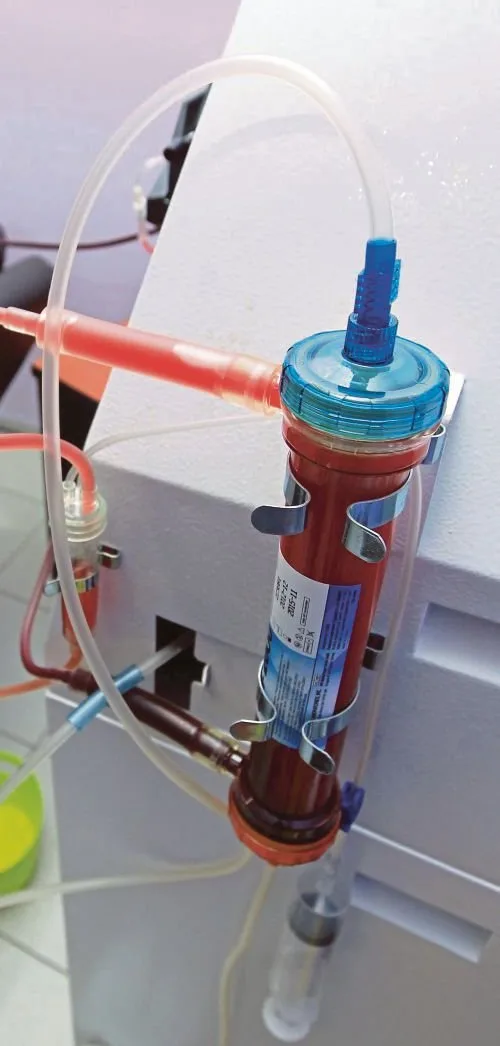
EBOO (extracorporeal blood oxygenation ozonation) - EBOO is a high dose of ozone therapy that involves drawing out blood through one arm, going through an ozone tube, and then back into the other arm. It is typically expensive. It is misnamed as a “dialysis” because it looks like a dialysis filter. However, it doesn’t filter anything out. It’s unknown if this has any more efficacy than MaH. There are no head-to-head studies comparing the two.
Treatments at home:
These treatments are sometimes administered at the clinic, but it is usually much cheaper and easier for people to do them at home. They take about 3-5 minutes, can be done up to 5 times a week, and the entire setup costs around $1,600 (close to the same price as a single 10Pass session).
- Rectal Insufflation - Rectal insufflation ozone therapy stimulates the same pathways as IV ozone therapy. While it might not be as effective, it can be done up to 5 times a week in under 5 minutes. It also has a much lower cost per treatment in comparison with IV ozone, making it highly valuable.
- Vaginal Insufflation - Vaginal ozone insufflation is the release of ozone gas into the vagina for 5-10 minutes, and is an effective way to elicit a systemic response in the body. In addition, it works well for vaginal based issues.
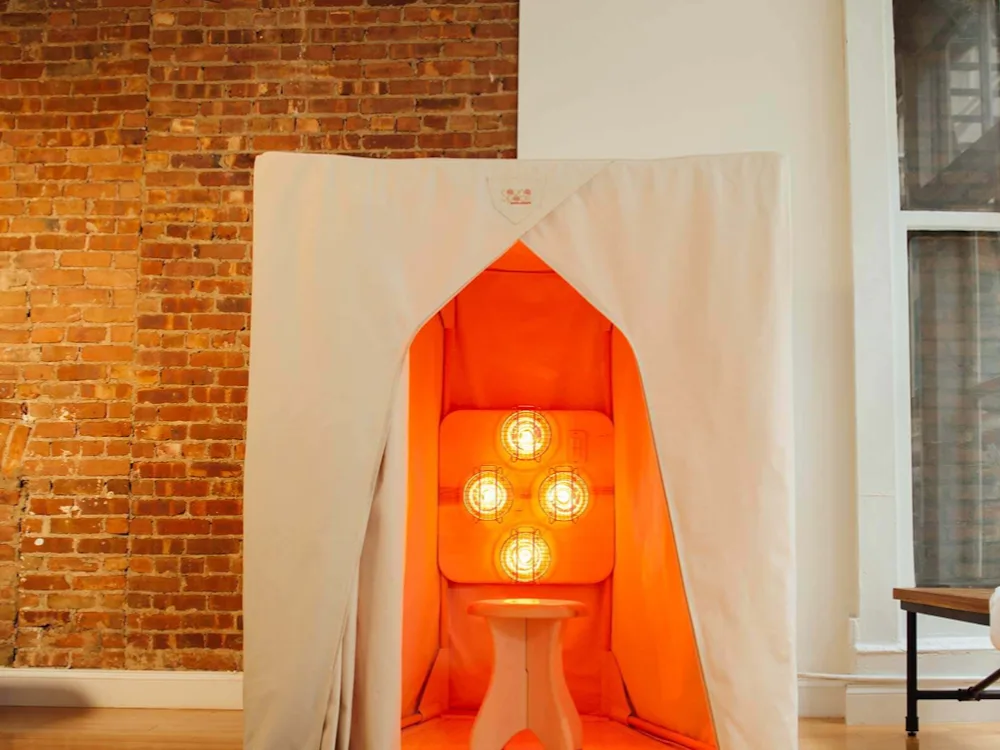
- Ozone Sauna - Much research is still needed about ozone saunas. However, there is some promising anecdotal evidence and newer research showing its systemic effect. The nice part about ozone saunas is how minimally invasive they are. The only problem is that the equipment still needs to be standardized. There isn’t any equipment that can prove it provides enough ozone to cause a systemic benefit… yet.
However, we are certain that small ozone generators using ambient air DO NOT work. The ozone is quickly dissipated back into oxygen because they don’t provide enough ozone amidst the heat to make it to the skin.
Saunas are vital to healing from mold toxicity and Lyme. You can choose to add ozone in or not. In our opinion, you may as well go with an ozone sauna but it’s not necessary to have the ozone element to get a sauna detoxification
How Much Does Ozone Therapy Cost?
Treatments at the clinic will range from $200-$1,500.
A home setup can be purchased anywhere from $1,400-$2,000. It lasts indefinitely and can be done daily in under a few minutes.
How Long Does it Take for Results?
We can’t say for certain because it depends on many factors.
However, many people experience more energy and reduced brain fog after 4-6 IV ozone treatments or 3 weeks of home ozone therapies.
Other Tools We Like:
- Saunas for detoxification (Sauna Space has the best one)
- Ice baths for blood flow to organs, hormonal balance, and more
- Herbal remedies
- Anti-inflammatory turmeric and adaptogenic maca root
- Iso-Alpha Brain Health and Vagus Nerve Stimulation
- Igenex for diagnostics
- Biocidin LCF for biofilms
- Cellcore Biosciences
- IAOMT biological dentistry
- Microbe Formulas
- Dr. Jess Peatross Courses
- Mold Testing
What to do with this information
This article (plus the many pages and videos it linked to) covered a lot of ground.
If you’re interested in ozone therapy at home and have talked with your doctor:
- Download our free guide
- Buy an oxygen tank (info in the guide)
- Buy an ozone generator kit
- Follow protocols from your doc or that comes in the guide
Want a clinic to do it? IV ozone is done in a clinic. Find an ozone doctor near you, and see what ozone therapy costs before you book.
Practitioners who want to add IV ozone for patients like these can learn it in our IV ozone training.
Frequently asked questions
Can ozone therapy help Lyme disease?
There are no clinical trials in Lyme yet, but clinical experience suggests ozone therapy may help by improving oxygen utilization, modulating immune responses, reducing microbial burden, and supporting detoxification pathways, as one part of a broader plan.
What ozone therapies are used for Lyme disease?
Ozone therapies used for Lyme disease include intravenous ozone therapy in clinics and systemic home ozone therapies such as rectal or vaginal ozone insufflation. Ozone sauna and ozonated water may also be supportive.
Can ozone therapy for Lyme disease be done at home?
Yes. Rectal and vaginal ozone insufflation can be safely performed at home using a medical-grade ozone generator and oxygen source, offering regular systemic support at a lower cost than clinic-based IV ozone.
Is rectal ozone therapy as effective as IV ozone therapy?
Many practitioners report that rectal ozone insufflation stimulates the same systemic pathways as IV ozone therapy and can be highly effective when performed consistently.
How long does it take to see results from ozone therapy for Lyme?
Many individuals report improvements in energy, brain fog, and symptoms within 3 weeks of regular home ozone therapy (up to 5 times a week) or after several IV ozone treatments, although timelines vary.
Neither this article nor this website is medical advice. Consult your doctor before attempting ozone therapy (or any medical treatment).
Methods, equipment and safety basics in one place. We send it to your inbox.
Check your inbox: your free guide is on its way.
Something went wrong. Please try again.