 contact@mediskill.com
Ozonized glycerin for cosmetic use and skin health

At a glance:
- Ozonized glycerin (OG) is a cosmetic ingredient created by ozone infusion of vegetable-grade glycerin. It retains the water solubility, skin compatibility, and humectant benefits of glycerin, making it suitable for skin applications such as gels, serums, lotions, and sprays.
- Most of the OG is unreacted glycerin, while the main oxidative component is trioxepane, the ring molecule formed by the joining of glycerol molecules. Ozonation may also generate oxidative byproducts of glycerin, such as glycolic and alpha-hydroxy acids, which have a history of use in skincare.
- Based on test tube studies, OG stimulates several anti-aging processes in the skin. It increases barrier integrity molecules filagrin, ceramides, and involucrin. By stimulating Nrf2, it increases cellular antioxidant levels and helps manage inflammation. It may also increase autophagy and stimulate collagen production. All of these support wound-healing processes.
- OG also has antibacterial and other antimicrobial activities, suggesting that it may help with the skin microbiome and skin conditions involving bacteria, such as acne (Cutibacterium acnes) and eczema (Staphylococcus aureus).
- OG has an excellent safety profile, with no adverse reactions reported in middle-aged women who applied 800 ppm daily for 8 weeks. Animal studies showed no irritation up to 1,000 ppm. Even in products targeting sensitive skin conditions that have sold in millions of units, there have been no customer complaint.
Intro
Ozonized glycerin (OG) is a cosmetic ingredient created by infusing medical-grade ozone into pure vegetable glycerin, creating trioxepane. While most of the ozonized glycerin is unreacted glycerol, the solution also contains organic acids and aldehydes, which are oxidized products of the glycerol itself. Several of these organic acids and aldehydes have known skin benefits. This makes ozonized glycerin valuable in skincare formulations, where it can be used to support healthy skin barrier, kill microbes, and support the skin rejuvenation process.
The power of ozonized glycerin lies in its stabilized trioxepane compounds suspended in a hydrating, skin-penetrating medium. This creates beneficial changes in the skin's microenvironment, offering ozone's regenerative potential without the irritation or instability of direct atmospheric ozone exposure. However, it’s important to understand what it can and cannot do, as ozonized glycerin is not a panacea.
How does ozonized glycerin benefit the skin?
Improves cellular structure and skin cell components
Ozonized glycerin can support the skin’s structural integrity by influencing the key proteins and lipids that form the epidermal barrier.
Compared to unozonized glycerin, ozonized glycerin increases cellular production of the following molecules according to cell-based studies:
- Filaggrin: A structural protein essential for bundling keratin fibers within skin cells. As filaggrin is broken down, it contributes to the formation of natural moisturizing factors (NMFs), which help regulate hydration and flexibility within the stratum corneum, the outermost layer of the skin[1].
- Ceramides: Sphingolipid molecules that occupy the spaces between skin cells, binding skin cells together and forming a cohesive barrier that limits excessive water loss and protects against environmental stressors [2].
- Involucrin: A precursor protein of the cornified envelope, the durable outer shell that reinforces mature skin cells as they transition toward the surface [3].
These results highlight its role in maintaining an organized, resilient skin surface rather than just acting as a passive humectant [4].
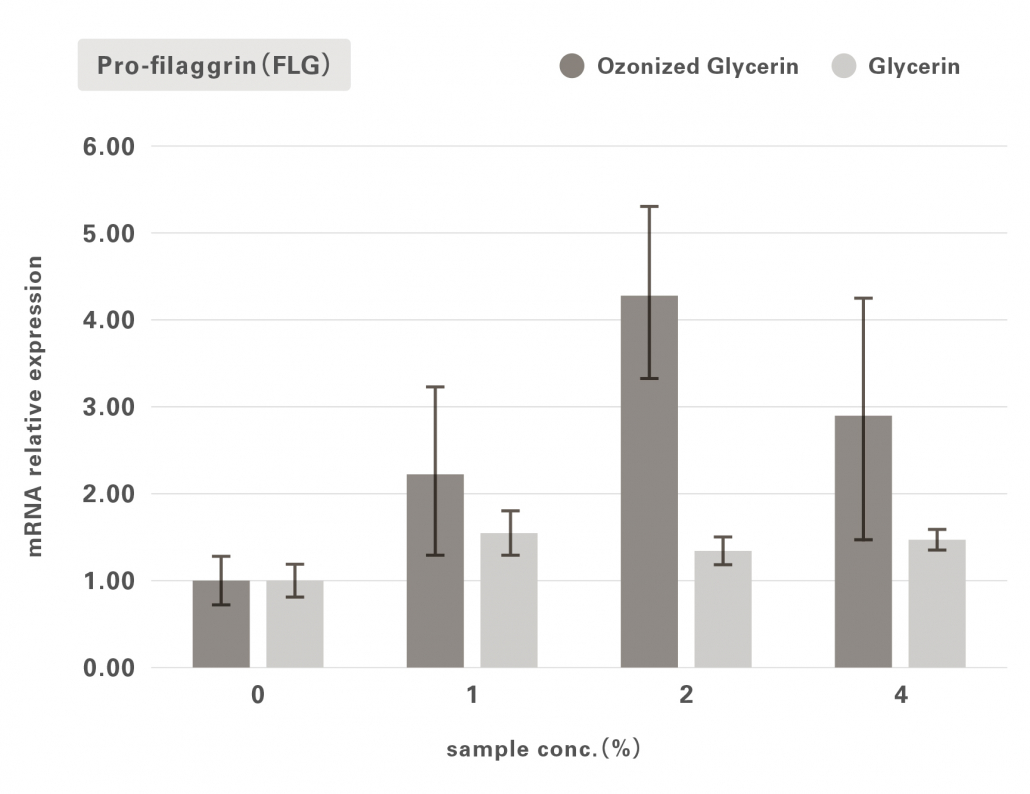
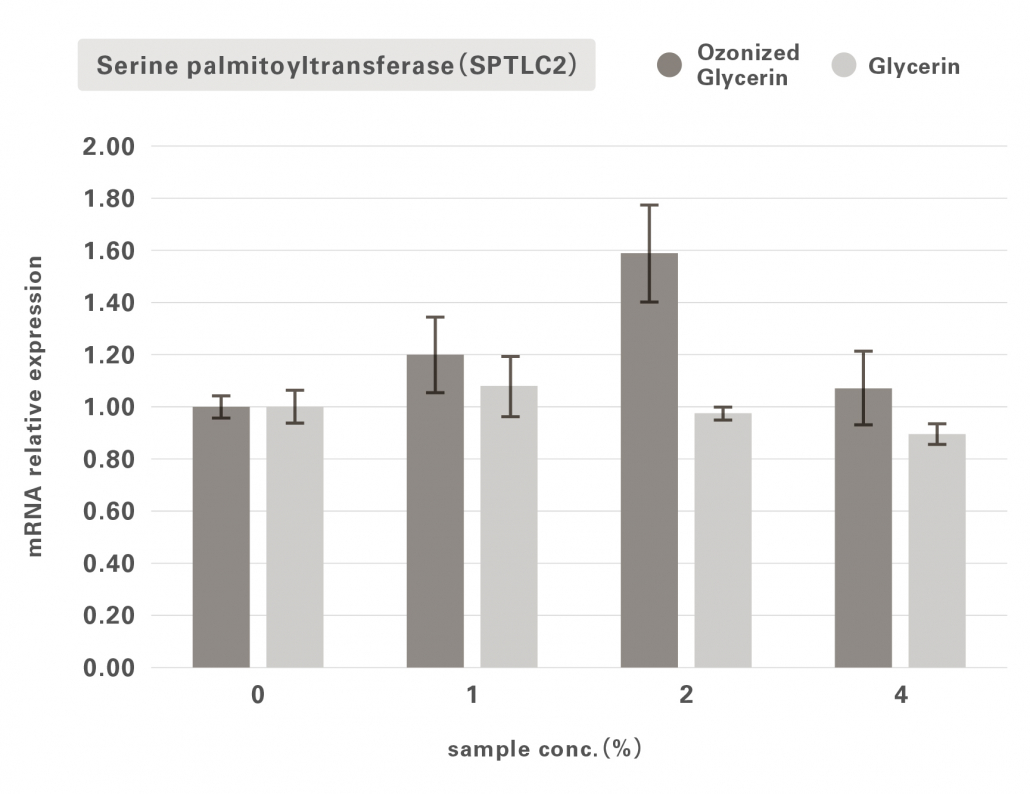
Rather than simply increasing or decreasing these molecules, ozonized glycerin appears to help the skin regulate their balance and organization as needed.
By gently influencing the epidermal molecular environment, ozonized glycerin also helps promote orderly cell differentiation and barrier cohesion.
Enhances autophagy
Many cosmetic treatments create a youthful appearance by forcing cell turnover. Some even damage the top skin layer, allowing the inner layer to grow and replace it, giving a more youthful look. Ozonized glycerin, on the other hand, works by enhancing autophagy, an internal cellular renewal process.
Autophagy is a fundamental cellular renewal process by which skin cells identify, degrade, and recycle damaged proteins, oxidized lipids, and dysfunctional organelles [5].
This internal “quality control” system is essential for maintaining youthful skin architecture, as efficient autophagy supports [6]:
- Orderly cell differentiation
- Smooth surface texture
- Resilience against environmental stress
With age, autophagic activity naturally declines, contributing to slower turnover, pigment persistence, and visible signs of skin aging [7].
Test tube evidence demonstrates that topical exposure to ozonized glycerin enhances autophagy activity in skin cells by increasing proteins like LC3-II, a marker of ongoing autophagy [4, 8].
Fluorescence imaging confirms greater ongoing autophagy in treated cells than in untreated controls, suggesting that ozonized glycerin supports cellular self-renewal rather than indiscriminately accelerating turnover [4].
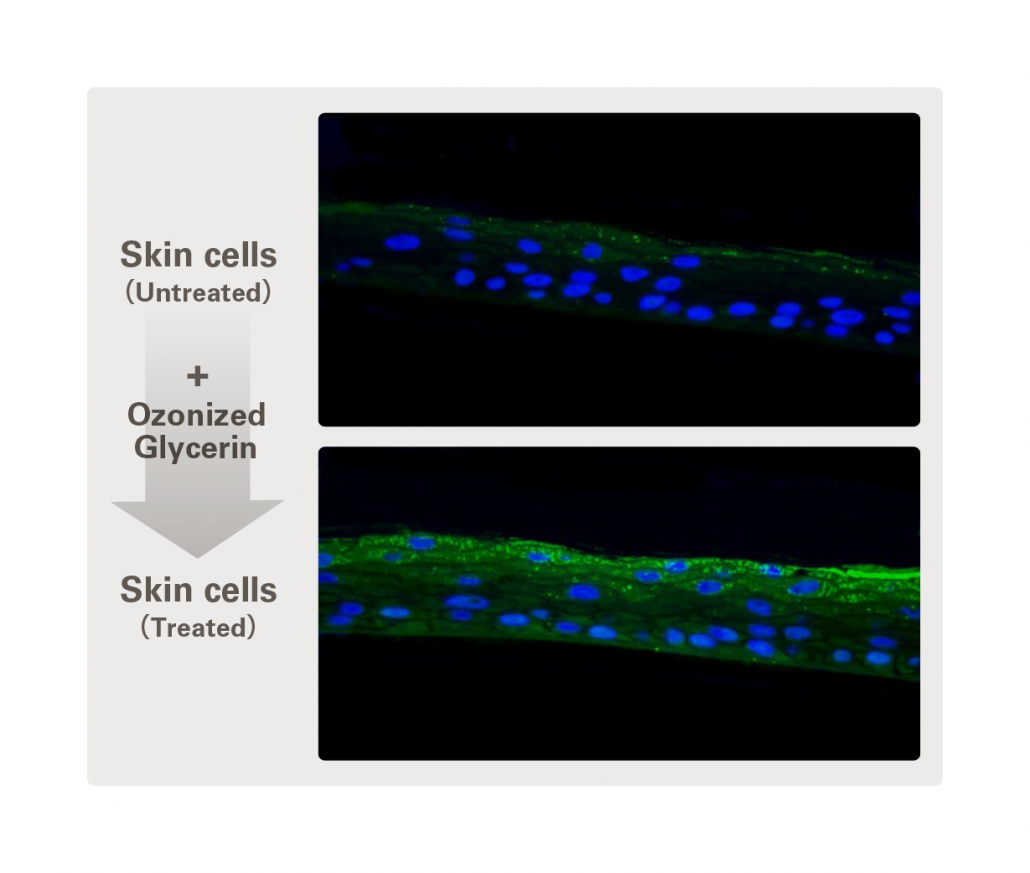
By providing mild, controlled oxidative cues, ozonized glycerin engages the skin’s natural stress response pathways that help keep autophagy responsive and efficient.
Improved autophagic function contributes to the degradation of intracellular debris, including melanosomes, and supports higher-quality keratinocyte differentiation [9, 10].
Healthy functioning of both cells are closely linked to smoother texture, improved clarity, and more youthful-appearing skin over time.
Instead of forcing rapid exfoliation or renewal, ozonized glycerin reinforces the skin’s intrinsic ability to refresh itself, aligning cellular cleanup with the natural rhythm of epidermal maintenance and healthy aging.
Stimulates cellular antioxidant and inflammation-balancing pathways
Healthy skin relies on finely tuned antioxidant systems to manage daily exposure to environmental stressors without tipping into chronic inflammation. Central to this balance is Nrf2 (nuclear factor erythroid 2-related factor 2), a transcription factor that functions as the skin’s master regulator of cellular defense [11].
When appropriately activated, Nrf2 turns on genes that protect against oxidative strain while helping restore homeostasis after stress.
Test tube data demonstrated that ozonized glycerin activates the Nrf2 signaling pathway in skin cells, increasing antioxidant molecules, including glutathione (GSH) and antioxidant enzymes like heme oxygenase-1 (HO-1) [4].
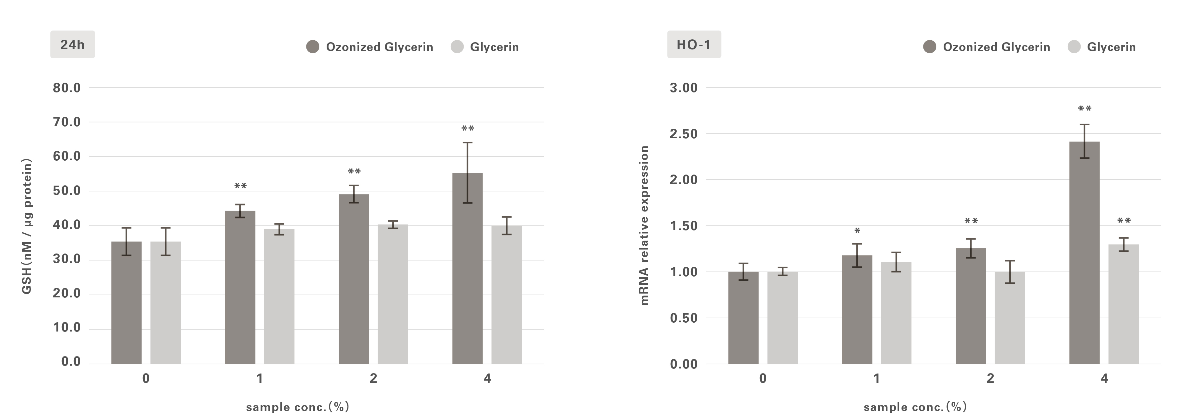
Figure 3. Effects of ozonized glycerin on GSH antioxidant levels in vitro [4]
GSH is a primary intracellular antioxidant responsible for neutralizing reactive species and maintaining redox balance, while HO-1 modulates inflammation and protects cells from oxidative injury [12, 13].
Importantly, ozonized glycerin does not overwhelm the skin with oxidative stress. Instead, it appears to provide a mild, hormetic signal; sufficient to engage Nrf2 without triggering damage. This allows antioxidant systems to remain responsive and adaptable, rather than chronically activated or suppressed.
By supporting Nrf2-mediated pathways, ozonized glycerin helps reinforce the skin’s intrinsic capacity to buffer inflammation, preserve cellular integrity, and recover efficiently from environmental challenges. This balanced antioxidant engagement soothes the skin, improves skin resilience, and smoothes the skin texture. These are key features of well-maintained, healthy-looking skin.
Activates fibroblasts
Fibroblasts are connective tissue cells present in the skin’s dermis layer. These cells produce collagen, elastin, and hyaluronic acid, which are important for the skin’s structure, firmness, and hydration.
While there is no direct evidence that OG increases collagen production in skin fibroblasts, it significantly increases collagen production in human gingival fibroblasts. OG also suppressed inflammation in response to bacterial toxins in human gingival fibroblast cells. At concentrations of OG below 0.5 ppm, researchers observed optimal benefits and no significant cellular toxicity [14].
Similarly, OG also stimulated collagen formation in the human osteosarcoma cell line [15]. These results suggest that ozonized glycerin is likely to activate fibroblast and stimulate the formation of structural proteins such as collagen.
Stimulates the wound healing process
The skin’s repair process depends on a coordinated sequence of events that includes controlled inflammation, cellular migration, proliferation, and tissue remodeling. Ozone treatments are known to help with wound healing, even in slow healing cases. OG is a cosmetic ingredient that can similarly support these processes by:
- Stimulating antioxidant production through Nrf2, which can help balance oxidative stress and inflammatory response.
- Enhancing the production of keratin and barrier proteins, along with collagen [4, 14].
- Activating fibroblasts and their regenerative activity, which can help with wound closure [14].
- Normalizing inflammatory responses, such as through TNF-alpha [16].
Disinfects and sanitizes
Ozonized glycerin has demonstrated clear surface-purifying activity that supports a cleaner, more balanced skin environment without relying on harsh antimicrobial agents. OG exhibits strong activity against common microorganisms when used at cosmetic concentrations, reinforcing its suitability for topical formulations.
In standardized testing conducted in accordance with ISO 11930, ozonized glycerin reduced microbial counts to below detectable levels within 24 hours and prevented regrowth over a 28-day observation period [4].
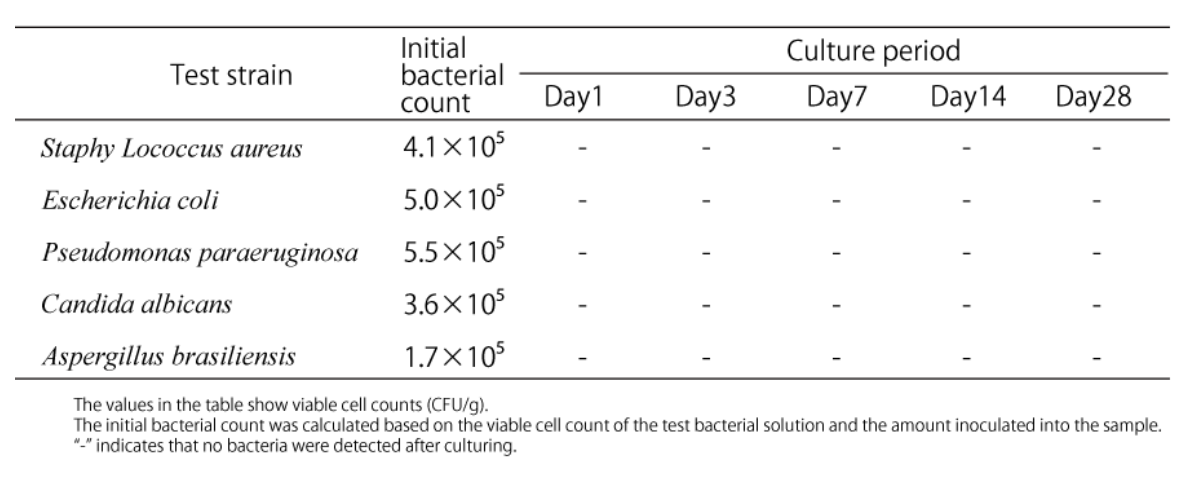
Figure 4. Potent and prolonged antimicrobial effects of ozonated glycerin on common pathogens [4]
Even at low concentrations (approximately 1%), ozonized glycerin demonstrated activity against a range of organisms commonly associated with skin problems, including:
- Escherichia coli
- Staphylococcus aureus
- Pseudomonas aeruginosa
- Candida species
This antibacterial effect arises from the controlled oxidative activity of stabilized trioxepane during the ozonation of glycerin.
The oxidative molecules may interact with microbial cell membranes and surface lipids, disrupting their structural integrity in a localized and time-limited manner [17].
Importantly, this mechanism differs from broad-spectrum antiseptics, as it does not rely on persistent chemical residues or aggressive stripping of the skin’s lipid barrier.
Within cosmetic applications, this allows ozonized glycerin to help maintain a clean, healthy skin surface while remaining compatible with barrier-supporting lipids and healthy skin microbiome. This suggests that OG may also be helpful with skin conditions involving bacteria or skin microbiome changes, such as acne and eczema.
Key differences between ozonized glycerin vs. ozone oil vs. ozonated water for skin
Although all three materials originate from the interaction between ozone and a carrier substance, ozonized glycerin, ozone oil, and ozonated water behave very differently on the skin.
Their stability, oxidative profile, and cosmetic applications vary significantly, shaping how each ingredient influences the skin’s surface environment.
Stability and longevity of ozone byproducts
Ozonated oil is the most stable of the three. When ozone reacts with unsaturated fatty acids in oils, the ozone embeds into the double bonds as stable ozonides. These active components and their breakdown products can persist for more than 6 months, and even up to several years, depending on the temperature and storage conditions.
OG is more stable than ozone gas or ozonated water because glycerin’s carbon backbone binds ozone into trioxepane. Lab studies suggest that trioxepane is stable for 3–4 months.
Ozonated water is the least stable, as ozone rapidly dissipates within 30 minutes, so it must be used as soon as it’s produced.
Chemical composition and skin effects
Ozonized glycerin is a mixture of trioxepane and other oxidized byproducts in glycerin and water. Some of these components can be mildly acidic, resembling glycolic acid or other alpha hydroxy acids (AHAs). There may also be small aldehydes present. This acidity may gently brighten or exfoliate the skin, or help refine the skin texture. These are cosmetic properties not typically associated with ozone oil or ozonated water.
Ozone oil, by contrast, contains lipid-based ozonides embedded in a fatty matrix. Some ozonides also break down, producing peroxides that tend to be fat-soluble. Some of these breakdown products join together, creating larger molecules. So, in general, most oxidized byproducts in ozone oils are larger molecules than would be in ozonized glycerin.
Ozonated water consists of ozone gas dissolved in water and some hydrogen peroxide, if you ozonate pure water with 99.9% medical oxygen. Dissolved ozone and hydrogen peroxide interact mostly at the skin surface, offering only momentary oxidative benefits. It’s possible to have other contaminants in ozone water if you start with non-distilled water or room air, or use a non-medical grade ozone generator.
Sensory and cosmetic experience
Ozonized glycerin is light, water-compatible, and easy to incorporate into gels, serums, and lotions. Its mild acidity and balanced oxidative profile make it suitable for brightening or clarity-focused formulas.
Ozone oil is thick, richer, and more occlusive. Best suited to balms, ointments, and barrier-focused products.
Ozonated water is refreshing and cleansing, but too unstable to play a major functional role in topical products without repeated, rapid use.
All three have antimicrobial activities and can break biofilms.
How to use ozonized glycerin for cosmetic use
Brightening age spots
Ozonized glycerin is increasingly included in cosmetic formulas aimed at improving overall skin clarity, particularly for areas where tone appears uneven or dull.
Its brightening effects stem from its ability to encourage a more organized cellular turnover cycle.
During the ozonation process, glycerin can form small acidic compounds which could theoretically provide gentle exfoliative activity. This can help loosen the bonds between older, pigment-heavy keratinocytes at the skin’s surface so they can shed more efficiently. The result is a softer reveal of newer, more even-toned skin beneath.
The oxidative cues from ozonized glycerin may help support balanced autophagy and barrier renewal, both of which contribute to smoother transitions between skin cell layers.
Instead of acting as a strong peeling agent, ozonized glycerin can offer subtle, surface-level refinement, making it suitable for users who seek cosmetic brightening without aggressive resurfacing.
When incorporated into serums, toners, or spot-targeting gels, ozonized glycerin becomes a versatile ingredient for addressing age-related dullness and promoting a more luminous, uniform complexion.
A 2022 clinical and test tube study evaluated whether ozonized glycerin (OG) can lighten formed age spots on human facial skin [18].
Because most cosmetic brightening agents work by preventing melanin formation, this study focused on a rare question: Can a topical ingredient safely lighten pigment that already exists?
In vitro, 80 and 800 ppm OG was mixed with synthetic melanin for 4 weeks to determine OG’s degradation ability. Results showed that:
- Both concentrations degraded synthetic melanin in a time-dependent manner, with measurable effects as early as 6 hours.
- By 2 weeks, 800 ppm OG reduced melanin by ~40%, similar to 10 mM hydrogen peroxide.
- OG increased key epidermal differentiation markers: involucrin and serine palmitoyltransferase.
- OG increased support for keratinocyte maturation and turnover, which may help pigmentation fade more efficiently.
- OG increased support for keratinocyte maturation and turnover, which may help pigmentation fade more efficiently.
In the same study, a double-blind clinical trial with 48 women (ages 40–60) was conducted, where OG formulations (80 ppm and 800 ppm) were applied twice daily for 8 weeks. Results showed that:
- Both concentrations led to significant reductions in melanin index at Week 8 compared to their controls (p < 0.05).
- 80 ppm OG: −16.7 melanin index
- 800 ppm OG: −15.2 melanin index
- Improvement increased from weeks 4 to 8, suggesting steady progressive brightening.
- Controls saw increases in melanin, likely due to seasonal UV exposure, highlighting OG’s protective brightening contrast.
From a safety perspective, no adverse skin reactions occurred with either concentration over 8 weeks. Further strengthening safety claims, previous animal studies and long-term commercial use also reported no toxicity at doses up to 1,000 ppm.
Beyond direct melanin breakdown, OG appears to influence additional pathways:
- Support of Nrf2 antioxidant activation, increasing HO-1, NQO-1, and GSH.
- Anti-inflammatory modulation, potentially reducing UV-induced cytokines.
- Enhanced epidermal turnover, aiding gradual pigment fading.
- Activity linked to a novel trioxepane derivative formed during ozonation, not ozone gas itself.
As a cosmetic ingredient, ozonized glycerin can help lighten already-formed age spots by combining gentle oxidative melanin breakdown, skin cell renewal, and antioxidant/anti-inflammatory pathways.
The findings support OG as a safe, cosmetically active brightening agent with multi-pathway activity, although longer-term studies with larger sample sizes are still needed.
Addressing wrinkles and other age-related skin appearances
Ozonized glycerin can be a useful cosmetic ingredient for products targeting the visible signs of aging, such as fine lines, skin laxity, and surface roughness.
This stems from OG’s ability to support the microenvironment that maintains skin structure and renewal.
The trioxepane in OG may help encourage autophagy, contributing to a smoother surface texture, which can soften the look of fine lines.
OG also activates the Nrf2 antioxidant pathway which may help maintain a healthier environment for collagen-producing fibroblasts for firmer and more supple skin over time.
Reducing redness
Ozonized glycerin may also improve the appearance of facial redness by helping maintain a balanced skin environment and supporting the skin’s natural calming pathways [19].
Redness often reflects a combination of barrier disruption, uneven cell turnover, and heightened sensitivity within the skin’s outer layers [20]. OG’s unique chemistry allows it to interact with these factors in a subtle, regulatory way.
The trioxepane may encourage more regulated cytokine signaling, supporting the skin’s ability to moderate visible flush without suppressing its normal protective responses. This can create a smoother, more even-toned look on the surface.
Additionally, OG’s antioxidant properties support production of protective molecules in the skin, helping it better withstand environmental triggers that can intensify the appearance of redness.
Other considerations while using ozonized glycerin on the skin
When incorporating ozonized glycerin into a skincare routine, a few cosmetic considerations can help ensure the ingredient performs as intended.
Because OG contains mild acidic byproducts and gentle oxidative cues, it pairs best with products that support barrier protection and photostability.
Sun sensitivity
Like many brightening or exfoliating cosmetic ingredients, ozonized glycerin works harmoniously with daily sunscreen use. Its oxidative components may increase skin sensitivity to light exfoliation, making UV protection even more essential for maintaining an even, healthy-looking complexion.
What not to mix
Ozonized glycerin is generally compatible with most skincare active ingredients, but combining it with strong acids (high-strength AHAs/BHAs), high dose tretinoin, or concentrated vitamin C may increase the likelihood of dryness or irritation in sensitive individuals.
This is not because OG is harsh on its own, but because layering multiple resurfacing or oxidative ingredients can amplify their combined effects on the skin’s surface.
Currently, these potential additive effects have not been studied, and combining multiple skin barrier altering ingredients must be treated with significant caution. If you’re a product formulator, you may need to control the pH of the product and test the prototypes to ensure no skin irritation.
Layering and formulation
Given its water compatibility, OG typically works well in hydrating serums, gels, and lotions.
It layers comfortably under moisturizers, which can help seal in hydration and support the skin barrier. Pairing ozonized glycerin with barrier-focused ingredients such as ceramides, cholesterol, and squalene may help improve its effectiveness and comfort with regular use.
Frequency
Because OG has a modulatory rather than aggressive action, many cosmetic formulas incorporate it for daily or near-daily use.
Still, users may prefer to introduce it gradually when combining it with other active products.
Overall, ozonized glycerin is a versatile, cosmetically gentle ingredient, but thoughtful pairing with sun protection and supportive skincare can optimize the clarity, texture, and brightness benefits it is known for.
Ozonized glycerin safety
Preclinical cell-based and animal studies have observed no cell toxicity with skin application over 1,000 ppm. In addition, a clinical study observed no adverse effect with middle-aged female participants applying 800 ppm OG on their faces daily for over 2 months. The authors also claim that even for atopic dermatitis and sensitive skin, millions of units of OG-based products have been sold with no adverse effects reported [18].
Conclusion:
Ozonized glycerin can be a powerful skincare ingredient as it contains trioxepane that delivers ozone’s oxidative power in a skin-penetrating and water-soluble matrix. Test tube studies suggest that it may stimulate production of collagen, other skin structural proteins and molecules, and antioxidants. OG also contains other oxidized byproducts like glycolic acid and alpha hydroxy acid that have known cosmetic benefits, such as lightening the skin.
References
1 van Mierlo, M. M. F., Caspers, P. J., Jansen, M. S., Puppels, G. J., Nouwen, A. E. M., Bronner, M. B., et al. (2021) Natural moisturizing factor as a biomarker for filaggrin mutation status in a multi-ethnic paediatric atopic dermatitis cohort. Clin. Exp. Allergy, Wiley 51, 1510–1513
2 Uchida, Y. and Park, K. (2021) Ceramides in skin health and disease: An update. Am. J. Clin. Dermatol., Springer Science and Business Media LLC 22, 853–866
3 Proksch, E., Fölster-Holst, R. and Jensen, J.-M. (2006) Skin barrier function, epidermal proliferation and differentiation in eczema. J. Dermatol. Sci., Elsevier BV 43, 159–169
4 (2025, December 8) Ingredients AND Evidence. Mediplus Pharma, Inc. https://www.mediplus-pharma.co.jp/en/ingredients-and-evidence/
5 Khandia, R., Dadar, M., Munjal, A., Dhama, K., Karthik, K., Tiwari, R., et al. (2019) A comprehensive review of autophagy and its various roles in infectious, non-infectious, and lifestyle diseases: Current knowledge and prospects for disease prevention, novel drug design, and therapy. Cells, MDPI AG 8, 674
6 Jeong, D., Qomaladewi, N. P., Lee, J., Park, S. H. and Cho, J. Y. (2020) The role of autophagy in skin fibroblasts, keratinocytes, melanocytes, and epidermal stem cells. J. Invest. Dermatol., Elsevier BV 140, 1691–1697
7 Murase, D., Kusaka-Kikushima, A., Hachiya, A., Fullenkamp, R., Stepp, A., Imai, A., et al. (2020) Autophagy declines with premature skin aging resulting in dynamic alterations in skin pigmentation and epidermal differentiation. Int. J. Mol. Sci., MDPI AG 21, 5708
8 Tanida, I., Ueno, T. and Kominami, E. (2008) LC3 and autophagy. Methods Mol. Biol., Methods Mol Biol 445, 77–88
9 Park, N. Y., Kim, S. H., Jo, D. S. and Cho, D.-H. (2025) Emerging perspectives on the selective autophagy of melanosomes: melanophagy. Exp. Mol. Med., Springer Science and Business Media LLC 1–8
10 Ye, J. and Lai, Y. (2025) Keratinocytes: new perspectives in inflammatory skin diseases. Trends Mol. Med., Elsevier BV 31, 1103–1113
11 Salman, S., Paulet, V., Hardonnière, K. and Kerdine-Römer, S. (2025) The role of NRF2 transcription factor in inflammatory skin diseases. Biofactors, Wiley 51, e70013
12 Averill-Bates, D. A. (2023) The antioxidant glutathione. Vitam. Horm., Academic Press 121, 109–141
13 Pae, H.-O. and Chung, H.-T. (2009) Heme oxygenase-1: its therapeutic roles in inflammatory diseases. Immune Netw., The Korean Association of Immunobiologists 9, 12–19
14 Wang, P.-L., Tachi, Y., Masuno, K., Okusa, N. and Imamura, Y. (2018) The study of ozone ointment on human gingival fibroblasts cell proliferation ability and anti-inflammatory. J. Hard Tissue Biol., Society for Hard Tissue Regenerative Biology 27, 209–212
15 Okusa, N., Oh, H., Masuno, K., Makita, Y. and Imamura, Y. (2023) Comparative study of ozonated glycerol and macrogol ointment on bone matrix production by human osteosarcoma cell line Saos-2. Materials (Basel) 16, 3857
16 Russo, C., Curcio, G., Graziani, A., Mencacci, A. and Pietrella, D. (2024) Antibiofilm, anti-inflammatory, and regenerative properties of a new stable ozone-gel formulation. Pharmaceutics, MDPI AG 16, 1580
17 Song, M., Zeng, Q., Xiang, Y., Gao, L., Huang, J., Huang, J., et al. (2018) The antibacterial effect of topical ozone on the treatment of MRSA skin infection. Mol. Med. Rep. 17, 2449–2455
18 Hanada, K., Okuda, D., Ogi, R., Kojima, S., Tsuruoka, R. and Shiota, G. (2022) Ozonized glycerin (OG)-based cosmetic products lighten age spots on human facial skin. J. Cosmet. Dermatol., Wiley 21, 3133–3139
19 Santini, C. (2025, September 17) Ozonated Glycerin: The Under-the-Radar Skin Ingredient That Actually Works. Christina Santini https://www.christinasantini.com/blog/2025/8/13/ozonated-glycerin-the-under-the-radar-skin-ingredient-that-actually-works-egt9p
20 Elias, M., Patel, S., Schwartz, R. A. and Lambert, W. C. (2019) The color of skin: red diseases of the skin, nails, and mucosa.Clin. Dermatol., Elsevier BV 37, 548–560
Get Started with Ozone
.png)

